
Dutch Cocoa Powder
Price range: $30.99 through $55.99 — available on subscription
Product Description
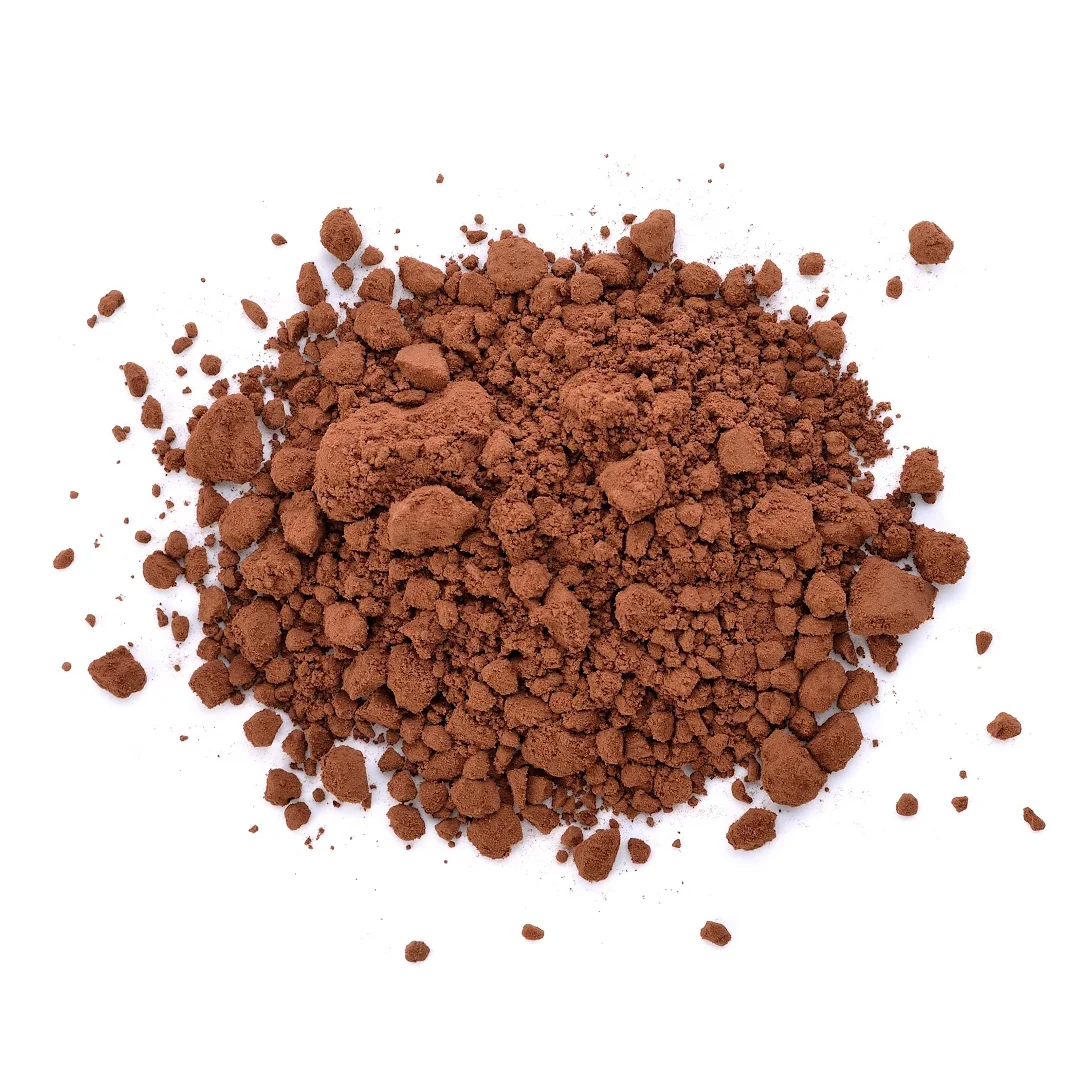
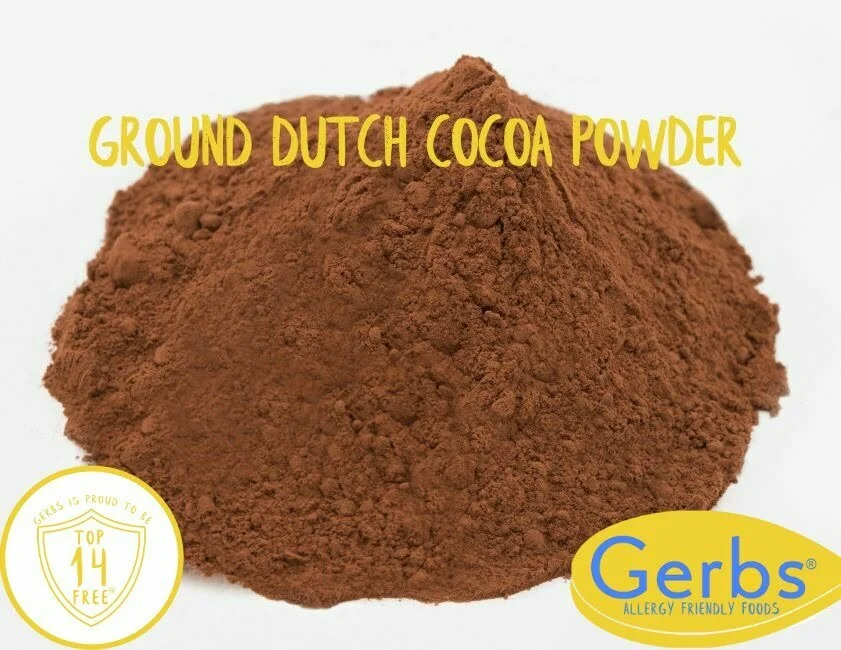
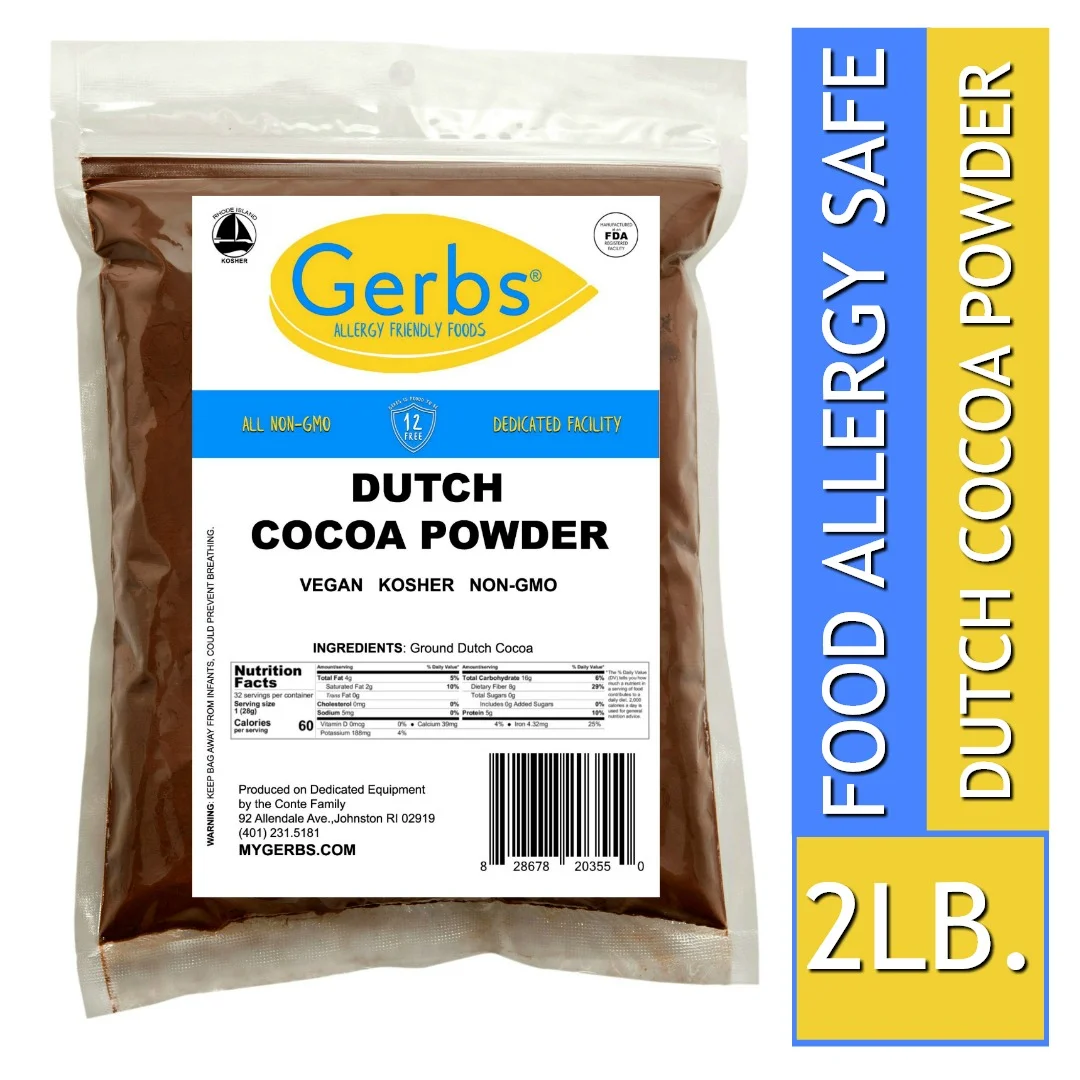
Gerbs Dutch Cocoa Powder is rich, smooth, alkalized cocoa with a deep dark color and mellow chocolate flavor. Perfect for baking fudgy brownies, moist cakes, puddings, ice cream, and creamy hot cocoa.
Packed in 2 lb. and 4 lb. re-sealable bags, this premium cocoa is hand-packaged on dedicated Gerbs equipment in Johnston, RI.
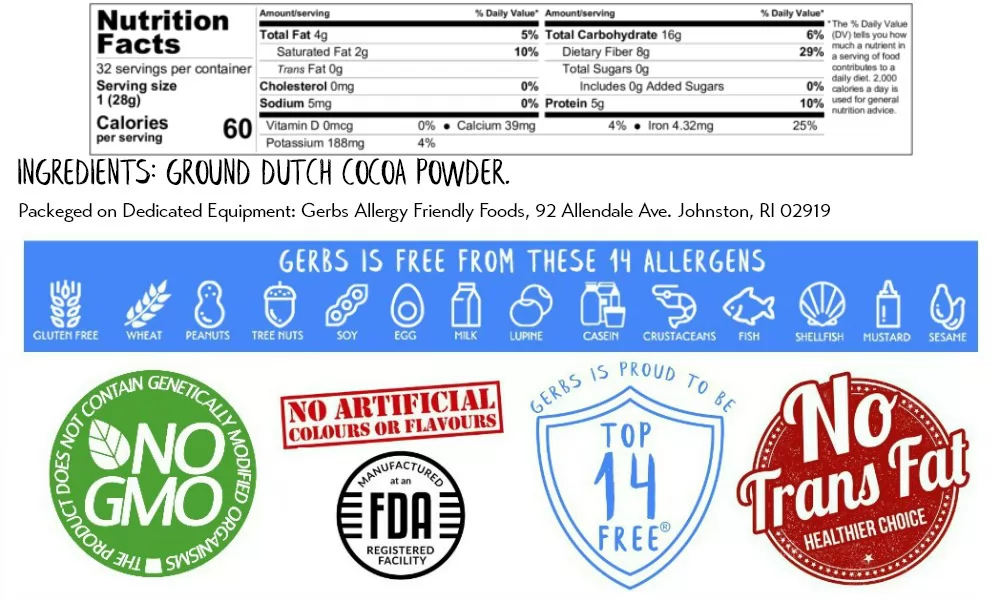
✔ Single Ingredient: Ground Dutch Cocoa Powder
✔ Country of Origin: Canada
✔ Free From: Gluten, dairy, eggs, soy, peanuts, tree nuts, sesame, fish, shellfish, mustard, and preservatives
Bring bold, bakery-quality chocolate flavor to all your favorite recipes—Order Gerbs Dutch Cocoa Powder today!
Storage: Keep sealed in a cool, dry pantry away from heat and sunlight for best freshness.
Sold in 2 lb. and 4 lb. Options in Re-Sealable bags. 22-24% Cocoa Butter Fats
Ingredients: Ground Dutch Cocoa Powder.
Ingredient Country of Origin: Canada.
Allergen Declaration Statement: Free from; Gluten, Wheat, Legume Family {Peanuts, Soy beans, lentils, chickpeas, and lupin, beans (kidney, black, pinto, navy, string, fava), and peas (green, split, black-eyed), plus others like mung beans, adzuki, and tamarind}, Tree Nuts {almonds, cashews, hazelnuts, macadamia nuts, pecans, pistachios, walnuts, brazil nuts, pine nuts, & coconut}, Shellfish aquatic invertebrates (crab, lobster, shrimp, prawns, crayfish), Crustaceans mollusks (clams, mussels, oysters, scallops, squid, octopus, snails), Fish {vertebrates having a backbone} , Sesame, Milk/Dairy, Eggs, Mustard, Sulfur Dioxide, Potassium Sorbate.
Packaging Procedure: Hand and/or Packaged on dedicated Gerbs equipment Johnston, RI.
Introdcing Gerbs Dutch Cocoa Powder
OVERVIEW OF GERBS DUTCH COCOA POWDER
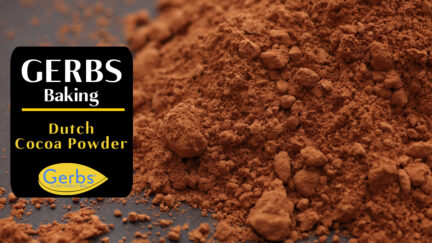
Dutch cocoa powder (or alkalized cocoa) is natural cocoa treated with an alkali solution to neutralize its acidity (pH of 7). This process results in a darker color, smoother/milder flavor, and improved solubility in liquids. It is ideal for, but not limited to, recipes requiring a deep, fudgy chocolate taste.
Key Characteristics and Uses:
- Color & Flavor: It has a dark brown color (sometimes reddish) and a mellow, earthy flavor.
- Acidity: Because it is neutralized (pH 7), it does not react with acidic leaveners like baking soda. It is typically paired with baking powder.
- Applications: It is best for making rich, moist cakes, puddings, ice cream, and hot cocoa.
- Types: Standard Dutch cocoa is common, while highly processed “black cocoa” is used for extreme dark color (e.g., in Oreos).
- Substitutions: It cannot always be substituted for natural cocoa powder, as this can affect the leavening in a recipe.
You can’t easily make true Dutch-process cocoa powder at home, as it requires industrial alkalization (treating natural cocoa with a solution like potassium carbonate to neutralize its acid), but you can mimic its milder flavor and darker color by mixing natural cocoa powder with a tiny bit of baking soda (an alkali) to neutralize its acidity for baking. The key difference is the industrial alkaline wash, creating a smoother, less bitter taste, darker color, and neutral pH, ideal for drinks and recipes not relying on baking soda for leavening.
The Industrial Process (How It’s Made)
- Start with natural cocoa:
Cocoa beans are fermented, dried, roasted, and pressed to remove most of the butter, leaving cocoa solids.
2. Alkalize:
These solids are then washed in an alkaline solution (like potassium carbonate).
3. Neutralize:
This process neutralizes the cocoa’s natural acidity (lowering its pH), making it less bitter and giving it a deeper, reddish-brown color.
4. Dry & Grind:
The alkalized solids are dried and ground into the final Dutch-process powder.
Key Differences & Uses
- Natural Cocoa: Acidic (pH 5-6), lighter color, sharper flavor; reacts with baking soda.
- Dutch-Process: Neutral (pH ~7), darker color, smoother flavor; needs baking powder for leavening.
- Best For: Dutch is great for hot cocoa, dusting, and recipes with baking powder; natural cocoa is best for recipes calling for baking soda.
Dutch-process cocoa powder was invented in 1828 by Dutch chemist Coenraad van Houten, who developed a method to treat cocoa beans with alkaline salts. This process reduced acidity, deepened the color to a dark brown, and improved solubility in water, making it ideal for hot chocolate and baking.
Key Historical Details
- The Inventor: While sometimes credited to his father, Casparus van Houten, Coenraad van Houten is primarily credited with inventing the alkalizing process in 1828, alongside a hydraulic cocoa press that significantly reduced fat content.
- The Process: Raw cocoa beans are treated with an alkali (such as potassium carbonate) to neutralize the natural acids.
- Impact on Industry: This invention transformed chocolate from a luxury, often greasy, beverage into a more accessible, flavorful ingredient that was easier to mix, leading to the rise of modern chocolate production.
- Characteristics: Compared to natural cocoa, Dutch-processed cocoa is less acidic, darker in color, and has a milder, smoother, earthy flavor.
Van Houten’s innovation, often referred to as “Dutched,” allowed for the creation of smoother, richer chocolate products and remains a staple in modern baking.
KEY HEALTH BENEFITS OF GERBS DUTCH COCOA POWDER
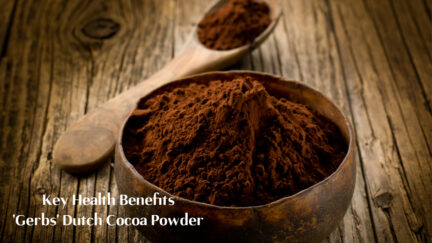
Dutch cocoa powder, or alkalized cocoa, is a rich source of iron, magnesium, and potassium, offering significant cardiovascular, brain, and immune-boosting benefits despite having 60% fewer antioxidants than natural cocoa. It helps reduce inflammation, lower blood pressure, improve mood, and aid in weight management while providing a lower-caffeine, deep-chocolate flavor.
Key Health Benefits
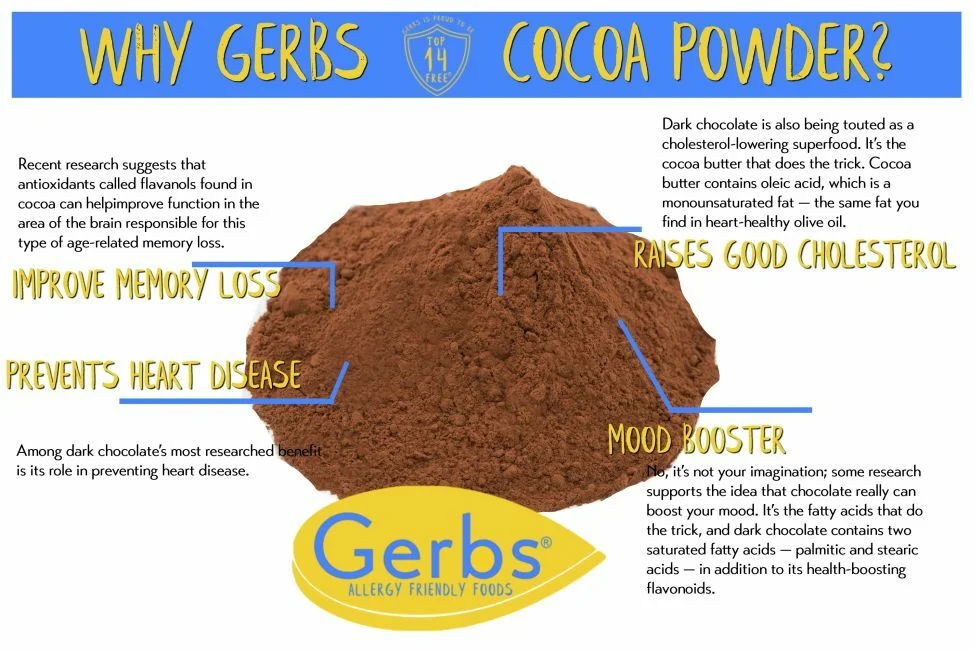
- Cardiovascular Health: The polyphenols in Dutch cocoa support healthy blood vessels, help manage cholesterol levels, reduce blood pressure, and decrease the risk of heart attacks and strokes.
- Brain Function & Mood: Cocoa powder may improve cognitive performance, attention, and memory, while helping to reduce anxiety and lift mood.
- Nutrient-Dense: It is rich in magnesium (for muscle/nerve function), iron (for oxygen transport), and potassium (for blood pressure).
- Reduced Inflammation: It contains powerful antioxidants that combat oxidative stress and lower inflammation.
- Weight & Metabolic Control: It is low in fat and calories, and may help manage type 2 diabetes symptoms.
Nutritional Profile (Per 1 Tbsp)
- Calories: 10–15
- Fat: < 1 gram
- Protein: ~1 gram
- Minerals: Iron, Zinc, Magnesium, Potassium
Dutch vs. Natural Cocoa
While Dutch processing reduces total antioxidant levels (flavanols) by about 60% compared to natural cocoa, it provides a smoother taste and higher mineral content, specifically iron, as the acid-neutralizing process affects nutrient absorption.
HOW TO COOK & INCORPORATE DUTCH COCOA POWDER INTO YOUR DIET
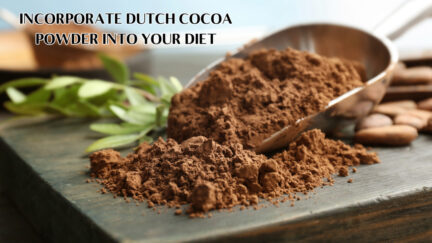
Dutch cocoa powder, known for its deep color and smooth, neutral flavor, is ideal for baking rich, dark treats (brownies, cakes) and creamy beverages due to its high solubility. It is best used in recipes with baking powder rather than baking soda. Incorporate it into your diet by mixing it into hot milk for cocoa, blending into smoothies, or stirring into oatmeal, yogurt, and savory dishes like chili.
How to Incorporate Dutch Cocoa Powder
- Beverages: Whisk 1–2 tablespoons into warm milk, almond milk, or coffee with a sweetener for a rich hot chocolate or mocha.
- Breakfast: Mix into oatmeal, porridge, or yogurt for a chocolatey breakfast.
- Smoothies: Add 1 tablespoon to smoothies to boost antioxidants without adding fat or sugar.
- Healthy Snacks: Blend with nuts and dates to make energy balls, or stir into chia seed pudding.
- Savory Cooking: Add a teaspoon to chili, mole sauces, or meat rubs for a deep, earthy flavor.
How to Cook with Dutch Cocoa Powder
- Baking (Cakes/Brownies): Because it is neutralized (not acidic), it is best used in recipes that call for baking powder. If substituting for natural cocoa in a recipe that uses baking soda, add 1/8 teaspoon of acid (like vinegar or lemon juice) per tablespoon of cocoa to ensure it rises.
- Pudding/Custard: Its improved solubility makes it perfect for smooth chocolate puddings, mousses, and homemade ice cream.
- Icings/Ganache: Use it in frostings for a darker, deeper chocolate color and less acidic taste.
Key Tips
- The “Paste” Method: To prevent clumping in drinks, mix the cocoa powder with a small amount of sugar and a splash of milk to form a smooth paste before adding the rest of the liquid.
- Storage: Keep in an airtight container in a cool, dry place.
- Quality: Look for high-quality brands like GERBS for a superior taste.
Order now and Taste the Goodness of Gerbs!
Storage Recommendations
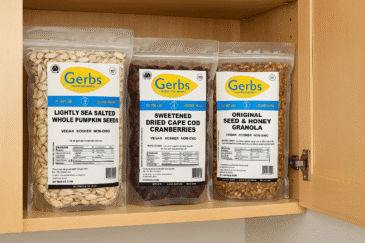
For the best flavor and freshness, we recommend storing your Gerbs in an airtight container in a cool, dark place such as a pantry or kitchen cabinet, away from sunlight and heat sources like the oven.
Each time the container is opened, oxygen sneaks in and can speed up rancidity, so try to keep only about one pound of product accessible at a time.
While Gerbs can be frozen, we don’t recommend it. Freezing and thawing can change the natural cell structure, which may affect texture and taste. Keep them cool, dry, and sealed tight for the best experience!

“We are committed to safety and compliance. Under California’s Proposition 65, we provide warnings for products that may contain trace amounts of chemicals on California’s list, often present naturally or through processing, even at levels far below federal safety standards. For more information, please visit the Proposition 65 Warnings website, www.P65Warnings.ca.gov/food.”
Any questions for our customer service, please call (401)231-5181.
Frequently Bought Together
Related products
-

Ground Flax Seed Meal | Raw
Price range: $22.99 through $39.99 — available on subscription -
All Purpose Flour | Gluten-Free
$12.99 — available on subscription -
Ground Chia Seed Meal | Raw
Price range: $22.99 through $43.68 — available on subscription -
Instant Whole Grain Oats | Quick Cooking
Price range: $20.99 through $39.88 — available on subscription

Customer Reviews
You must be logged in to post a review.
Shop by Category
Find Your Safe Favorites
Seeds
Dried Fruit
Snack & Trail Mixes
Granola
Grains
2 reviews for Dutch Cocoa Powder