




Buckwheat Groats | Raw Seed
Price range: $10.99 through $34.18 — available on subscription
Product Description
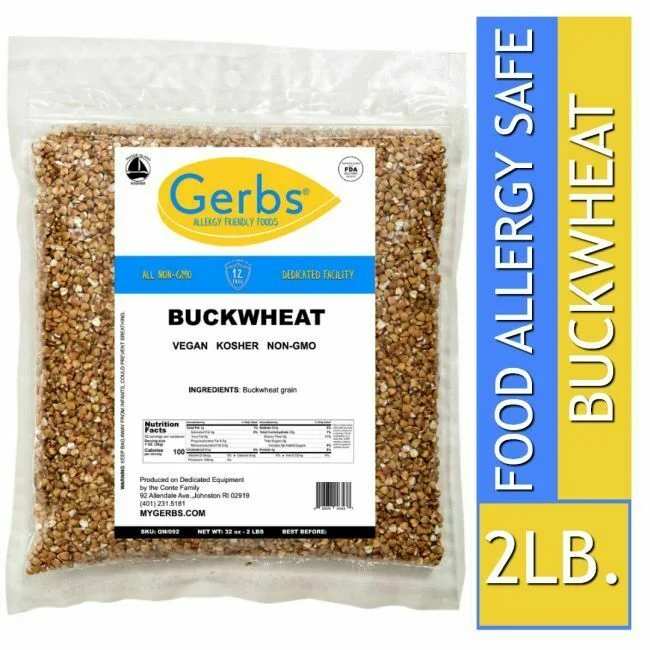
Sold in 14 oz., 2 lb. and 4 lb. Options in Re-Sealable bags.
Ingredients: Whole Buckwheat Groats (seed).
Ingredient Country of Origin: United States
Allergen Declaration Statement: Free from; Gluten, Wheat, Legume Family {Peanuts, Soy beans, lentils, chickpeas, and lupin, beans (kidney, black, pinto, navy, string, fava), and peas (green, split, black-eyed), plus others like mung beans, adzuki, and tamarind}, Tree Nuts {almonds, cashews, hazelnuts, macadamia nuts, pecans, pistachios, walnuts, brazil nuts, pine nuts, & coconut}, Shellfish aquatic invertebrates (crab, lobster, shrimp, prawns, crayfish), Crustaceans mollusks (clams, mussels, oysters, scallops, squid, octopus, snails), Fish {vertebrates having a backbone} , Sesame, Milk/Dairy, Eggs, Mustard, Sulfur Dioxide, Potassium Sorbate.
Packaging Procedure: Hand and/or Packaged on dedicated Gerbs equipment Johnston, RI.
Introducing Gerbs Raw Buckwheat Groats (Seed)
OVERVIEW OF GERBS BUCKWHEAT GROATS
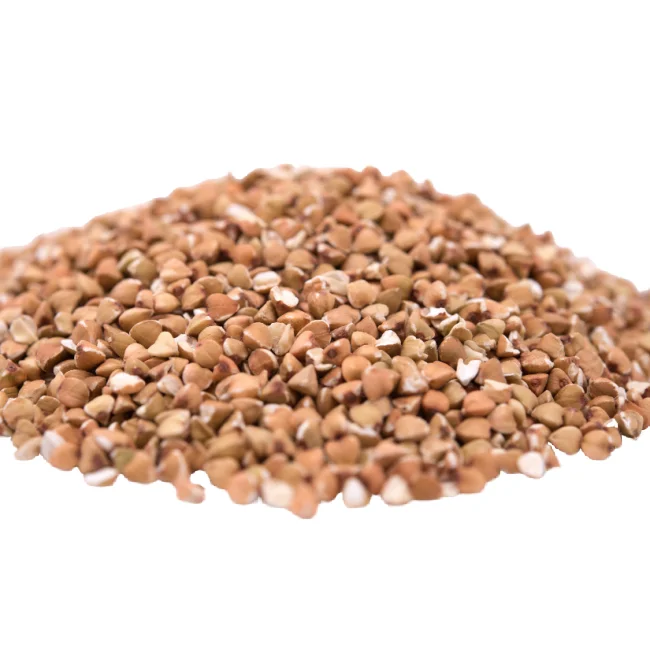
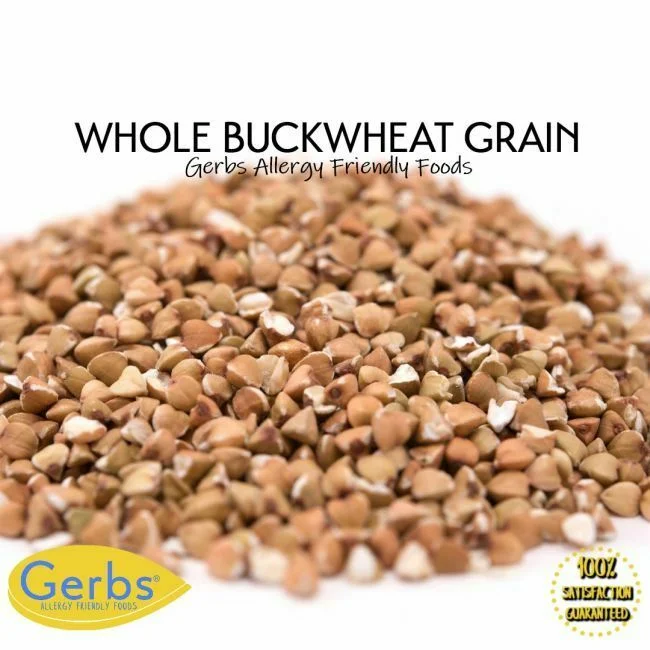
Whole buckwheat groats are the hulled, nutrient-dense, pyramid-shaped seeds of the buckwheat plant, which is actually a gluten-free fruit seed related to rhubarb, not wheat. Featuring a mild, nutty flavor, these versatile, high-protein, and fiber-rich seeds can be boiled, toasted, or ground into flour for use in hot cereals, salads, or traditional dishes like Kasha Varnishkes.
Key details about whole buckwheat groats:
- Nutrient Profile: They are a complete protein containing all nine essential amino acids, along with high levels of fiber and iron.
- Gluten-Free Seed: Despite the name, they are not related to wheat, making them an ideal, safe, gluten-free alternative.
- Versatility: Raw groats have a mild taste and can be sprouted, while toasted groats (often called kasha) have a stronger, nuttier flavor.
- Usage: They can be used as porridge, in soups, salads, and grain bowls, or ground into flour for baking.
- Cooking Time: They are relatively quick-cooking, typically taking about 10–15 minutes.
HOW IS GERBS BUCKWHEAT GROATS GROWN AND CULTIVATED
Buckwheat groats are cultivated as a fast-growing, 10-to-12-week, warm-season annual crop, often grown in temperate climates with short, cool growing seasons. It prefers well-drained, low-fertility soils, is planted in late spring or summer (about 1–2 inches deep at 50–70 lbs/acre), and requires minimal fertilizer. It is highly valued for suppressing weeds, improving soil quality, and attracting beneficial pollinators.
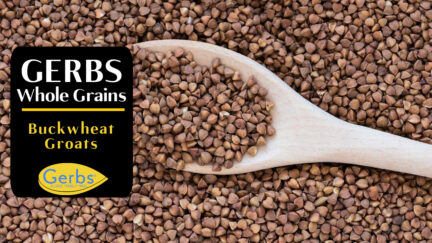
Key Cultivation Details
- Planting Method: In large-scale agriculture, seeds are planted with a grain drill, while in gardens, seeds can be broadcast and raked into the soil, generally at a rate of 70–100 lbs/acre, or around 1 cup per 100 square feet.
- Optimal Conditions: While adaptable, it prefers soil that is neither too sandy nor too compacted, requiring moderate temperatures around and does not thrive in extreme heat, which can hamper pollination.
- Growing Cycle: It grows very rapidly, with bloom occurring in roughly 4–6 weeks, reaching a height of 2–3 feet.
- Harvesting: Buckwheat is typically harvested when the seeds turn brown/black, usually just before or after the first frost, which helps dry the plant. The plants are often cut, dried for a few days, and then threshed to separate the seeds from the chaff.
- Processing: The harvested seeds, which are triangular, must be de-hulled to produce the buckwheat groats, commonly using techniques like feeding them through a mill or using a de-huller, followed by winnowing to remove the light, fibrous husks.
KEY HEALTH BENEFITS OF GERBS BUCKWHEAT GROATS
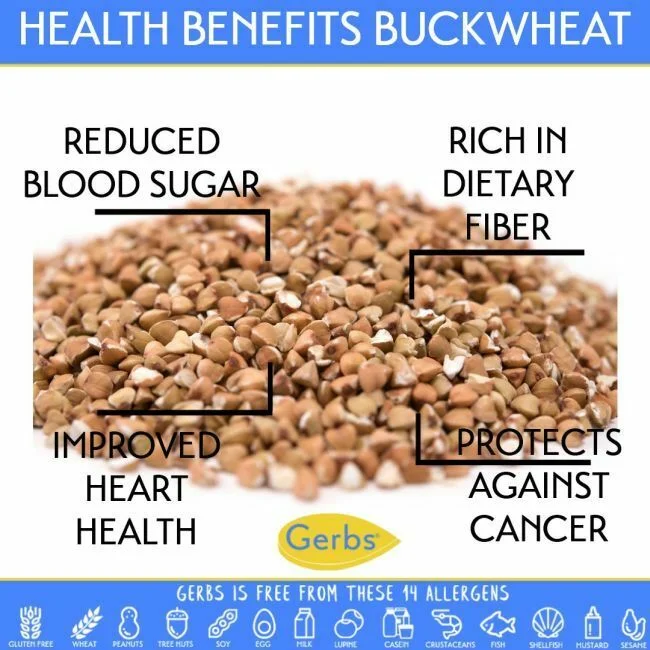
Buckwheat groats are nutrient-dense, gluten-free seeds, not grains, packed with high-quality protein, fiber, and essential minerals like magnesium. They boast significant cardiovascular benefits, including reducing blood pressure and LDL cholesterol, while aiding in blood sugar regulation and digestive health due to their low glycemic index.
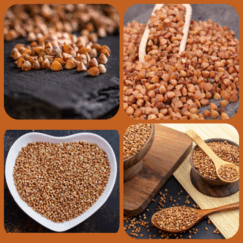
Key Nutritional Properties
- High-Quality Protein: Contains all nine essential amino acids, making it a complete protein source for vegetarians and vegans.
- Fiber and Resistant Starch: High in soluble and insoluble fiber, which promotes satiety and digestive health.
- Minerals: Rich in magnesium, copper, manganese, iron, and phosphorus.
- Antioxidants: Contains high levels of polyphenols, particularly rutin, which helps fight oxidative damage.
- Nutrient Profile: A 100-gram serving of boiled groats provides approximately 13.3 grams of protein and is free of gluten.
Key Health Benefits
- Heart Health: The antioxidant rutin strengthens blood vessels, improves circulation, and helps lower blood pressure and cholesterol levels.
- Blood Sugar Control: With a low glycemic index of 45, buckwheat prevents spikes in blood sugar and improves insulin sensitivity.
- Weight Management: The high protein and fiber content promote fullness, potentially reducing overall calorie intake.
- Improved Digestion: Insoluble fiber and resistant starch support gut health and colon function.
- Anti-inflammatory Properties: Antioxidants like rutin and quercetin provide anti-inflammatory effects that may protect against chronic diseases.
HOW TO COOK & INCORPORATE BUCKWHEAT GROATS INTO YOUR DIET
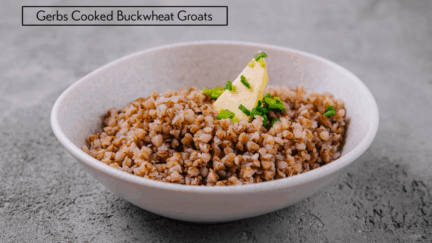
Cooking buckwheat groats is a simple process similar to preparing rice, resulting in a fluffy, nutty, and nutritious grain. The best ratio for firm, non-mushy buckwheat is 1 cup of groats to 1.5 to 2 cups of water or broth.
- Rinse and Toast (Optional but Recommended)
- Rinse: Place 1 cup of buckwheat groats in a fine-mesh strainer and rinse under cold water until the water runs clear to remove excess starch.
- Toast: Toasting raw (green) buckwheat brings out a nuttier flavor and prevents a slimy texture. Heat a dry pan or pot over medium heat and toast the rinsed, drained groats for 3–5 minutes until they are golden brown and fragrant. You can add a tablespoon of butter or oil for extra flavor.
- Cooking Methods
Stovetop (Most Common):
- Combine: Add 1 cup of toasted buckwheat and 1.5–2 cups of water (or broth) to a pot. Add a pinch of salt.
- Boil & Simmer: Bring the water to a boil, then immediately reduce the heat to low, cover with a tight-fitting lid, and simmer for 10–15 minutes.
- Do Not Disturb: Avoid opening the lid, as this releases steam and messes up the cooking time.
- Rest: Once the water is absorbed, turn off the heat and let the pot sit (covered) for another 10 minutes to finish steaming.
- Fluff: Remove the lid and gently fluff with a fork.
Instant Pot:
- Add 1 cup of buckwheat and 1–1.5 cups of water/broth to the pot.
- Cook on High Pressure for 2–3 minutes.
- Allow for a natural pressure release for 10–15 minutes.
- Tips for Success
- Preventing Mushy Buckwheat: Use slightly less water (1.5 cups) for firmer grains. Do not overcook or over-stir.
- Serving: Serve immediately as a side dish, or mix with caramelized onions and mushrooms (a traditional Slavic style).
- Storage: Store cooked buckwheat in an airtight container in the refrigerator for up to 4–5 days.
Cooking Times
- Raw Groats: 10–15 minutes simmering
- Pre-Toasted (Kasha): 10 minutes simmering
- Soaked: 5–7 minutes simmering (if soaked for several hours)
Buckwheat groats are versatile, gluten-free, and nutrient-dense seeds that can be easily incorporated into your diet as a, oatmeal replacement, in savory dishes, or in baked goods. Simply cook them in a 2:1 liquid-to-groat ratio for 10-15 minutes, or soak them raw overnight for creamy porridge. They are ideal as a nutritious, nutty-flavored substitute for rice, in salads, or toasted for a crunchy snack.
Breakfast Ideas
- Porridge: Simmer raw or toasted groats in water or milk, adding fruit, nuts, and sweeteners like maple syrup.
- Overnight “Oats”: Soak raw buckwheat groats in milk (dairy or non-dairy) overnight for a quick, cold meal.
- Granola: Add raw groats to your favorite homemade granola for extra crunch.
Savory Lunch & Dinner Options
- Rice/Quinoa Substitute: Use cooked groats as a base for stir-fries, bowls, or side dishes.
- Soups & Stews: Add cooked groats to add texture and fiber to hearty dishes.
- Salads: Toss cooked and cooled groats into salads to add a nutty flavor and protein.
- Kasha: Toast raw groats in a dry pan until fragrant to make traditional, nutty-flavored kasha.
Baking & Other Uses
- Flour Blend: Grind raw groats into flour to use in pancakes, bread, or muffins.
- Buckwheat Bread: Make bread using just soaked and blended buckwheat groats.
- Soba Noodles: Use buckwheat flour to make homemade noodles.
Order now and Taste the Goodness of Gerbs!
Storage Recommendations
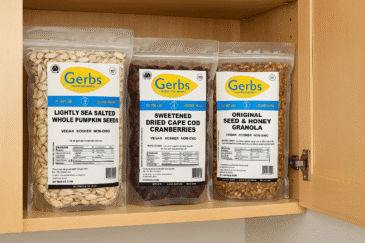
For the best flavor and freshness, we recommend storing your Gerbs in an airtight container in a cool, dark place such as a pantry or kitchen cabinet, away from sunlight and heat sources like the oven.
Each time the container is opened, oxygen sneaks in and can speed up rancidity, so try to keep only about one pound of product accessible at a time.
While Gerbs can be frozen, we don’t recommend it. Freezing and thawing can change the natural cell structure, which may affect texture and taste. Keep them cool, dry, and sealed tight for the best experience!
Frequently Bought Together
Related products
-

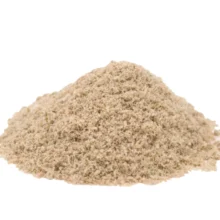
Ground 5 Seed Meal | Raw
Price range: $14.49 through $45.58 — available on subscription -
White Millet Grain | Raw
$259.80 — available on subscription -
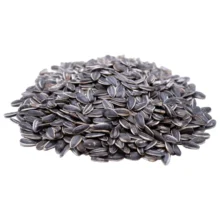
In-Shell Sunflower Seeds | Raw
Price range: $10.99 through $34.18 — available on subscription -
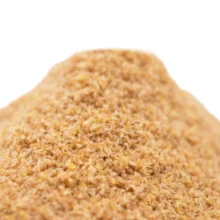
Ground Flax Seed Meal | Raw
Price range: $19.99 through $37.98 — available on subscription

Customer Reviews
You must be logged in to post a review.
Shop by Category
Find Your Safe Favorites
Seeds
Dried Fruit
Snack & Trail Mixes
Granola
Grains
3 reviews for Buckwheat Groats | Raw Seed