
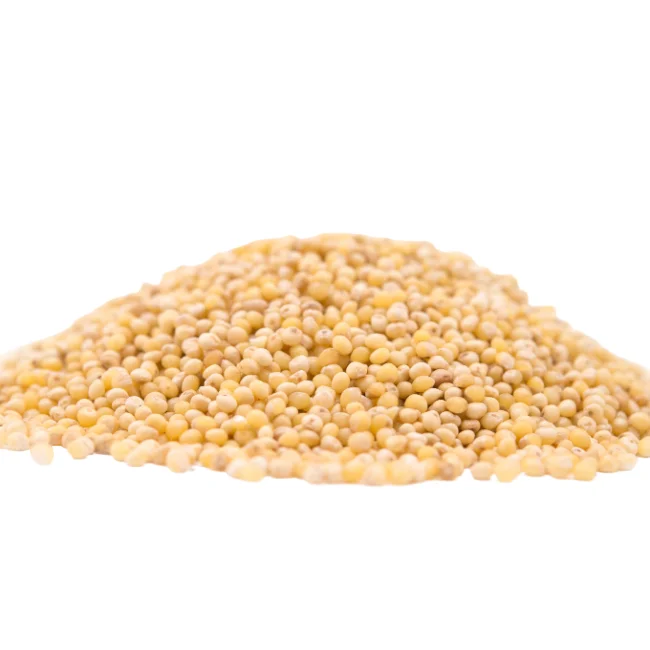
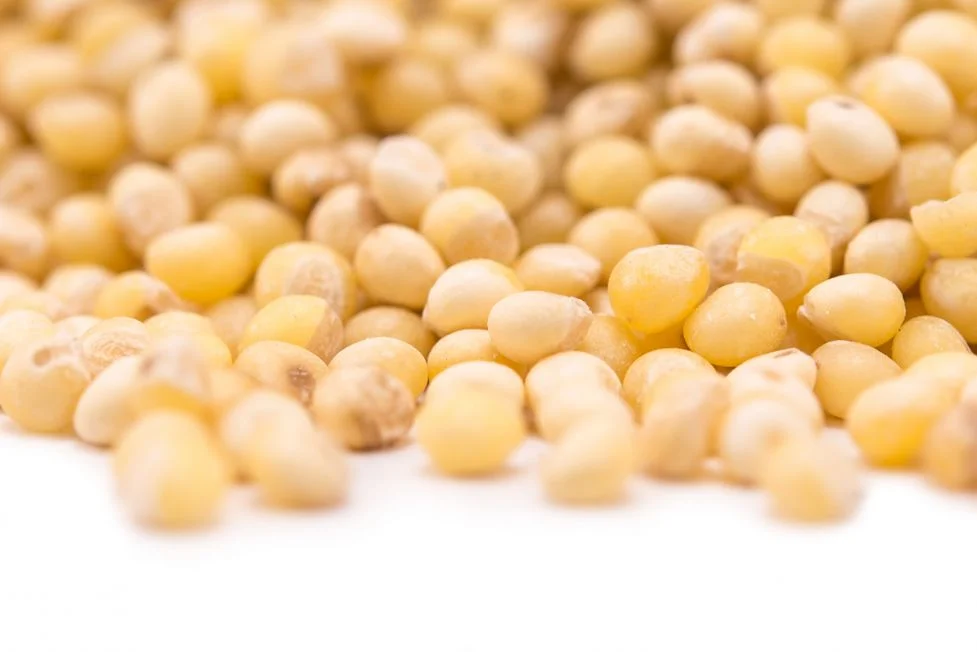

White Millet Seed | Raw Grain
Price range: $12.99 through $24.68 — available on subscription
Product Description
Sold in 2 lb. and 4 lb. Options in Re-Sealable bags.
Ingredients: Whole Millet Seed
Ingredient Country of Origin: United States
Allergen Declaration Statement: Free from; Gluten, Wheat, Legume Family {Peanuts, Soy beans, lentils, chickpeas, and lupin, beans (kidney, black, pinto, navy, string, fava), and peas (green, split, black-eyed), plus others like mung beans, adzuki, and tamarind}, Tree Nuts {almonds, cashews, hazelnuts, macadamia nuts, pecans, pistachios, walnuts, brazil nuts, pine nuts, & coconut}, Shellfish aquatic invertebrates (crab, lobster, shrimp, prawns, crayfish), Crustaceans mollusks (clams, mussels, oysters, scallops, squid, octopus, snails), Fish {vertebrates having a backbone} , Sesame, Milk/Dairy, Eggs, Mustard, Sulfur Dioxide, Potassium Sorbate.
Packaging Procedure: Hand and/or Packaged on dedicated Gerbs equipment Johnston, RI.
Introducing Gerbs Raw Millet Seed
OVERVIEW OF GERBS WHITE MILLET SEED
Millet seeds are small, nutrient-dense, gluten-free, whole-grain seeds from ancient grasses (family Poaceae), primarily grown in Asia and Africa as a staple food. They have a mild, nutty flavor, resembling small, yellow corn kernels, and are highly versatile for cooking—ranging from light and fluffy to porridge-like textures.
Key details about millet seeds include:
- Nutritional Value: They are rich in protein, magnesium, phosphorus, and fiber.
- Health Benefits: They are considered non-allergenic, easy to digest, and beneficial for heart health and blood sugar management.
- Varieties: Major types include Pearl millet, Foxtail millet, Proso millet, and Finger millet.
- Uses: Used in porridge, soups, and flatbreads, or toasted for a nutty flavor.
Millet is also a sustainable crop, as it is drought-resistant, grows quickly, and requires minimal water.
HOW IS GERBS MILLET SEED GROWN AND CULTIVATED
Millet is primarily cultivated in arid and semi-arid regions of Asia (especially India and China) and Africa, where it thrives in hot, dry climates with poor soil. It is a fast-growing, drought-resistant cereal that is direct-sown after the last frost, maturing in 65–100 days. Key producers include Rajasthan (India) and Colorado (USA).
Where Millet is Cultivated
- Top Regions: India, Nigeria, China, Niger, and Mali are major producers.
- In the U.S.: Colorado produces over half of the millet, mainly for birdseed, animal feed, and gluten-free foods.
- Conditions: It grows best in warm, sunny climates (77–95°F) with well-drained, sandy, or even poor-quality soil.
How Millet is Cultivated
- Planting: Seeds are directly sown 1/8 to 1/4 inch deep after the last frost, as it does not tolerate cold.
- Spacing & Growth: Seeds are planted 1–2 inches apart or broadcasted (15–20 lbs per acre). It grows to roughly 3 feet tall with a 2-foot root system.
- Water & Fertilizer: It requires very little water and low fertilizer input compared to other grains, making it a sustainable, low-maintenance crop.
- Harvesting: It is harvested roughly four months after planting (around September/October) once the seed heads are fully dry and golden.
- Processing: Harvested stalks are cut, dried in the sun, and then threshed (beaten) to separate the grains, which are then winnowed to remove chaff.
Common Varieties
- Pearl Millet: Most common, ideal for hot, dry regions.
- Proso Millet: Commonly grown in the US Great Plains for human consumption and birdseed.
- Finger Millet: Popular in Africa and India, often used for flour.
- Foxtail Millet: Known for its short 75-90 day growing season.
KEY HEALTH BENEFITS OF GERBS RAW MILLLET SEED
Millet is a highly nutritious, gluten-free, gluten-free, gluten-free whole grain packed with protein, fiber, magnesium, phosphorus, and antioxidants. It supports heart health, aids weight loss, regulates blood sugar (low GI), and improves digestion. As a nutrient-dense “superfood,” it promotes strong bones, reduces inflammation, and helps prevent chronic diseases.
Nutritional Properties of Millet
- High Fiber & Protein: Contains 15-20% dietary fiber and 7-12% protein, providing high satiety and nutritional value.
- Mineral Rich: An excellent source of magnesium (improves insulin sensitivity), iron (prevents anemia), and phosphorus (bone health).
- Antioxidants: Rich in phenolic compounds, catechins, and ferulic acid, which protect against oxidative stress.
- Gluten-Free: An ideal grain for people with celiac disease or gluten sensitivity.
- Low Glycemic Index (GI): Digests slowly, causing a gradual rise in blood sugar.
Key Health Benefits of Millet
- Controls Blood Sugar: Millet’s low GI and high fiber content help manage diabetes, as it prevents sudden blood sugar spikes.
- Heart Health: Soluble fiber helps lower cholesterol (LDL) and triglycerides, reducing cardiovascular risk.
- Digestive Health: Acts as a prebiotic to improve gut health and prevents constipation due to its high insoluble fiber content.
- Weight Management: Research shows that consistent consumption of millet can reduce BMI and promote weight loss, partly by increasing satiety.
- Boosts Immunity & Detoxification: Antioxidants like quercetin support liver and kidney function, helping the body remove toxins.
- Stronger Bones: The high phosphorus content is crucial for repairing body tissues and building strong bones.
HOW TO COOK & INCORPORATE MILLET SEED INTO YOUR DIET
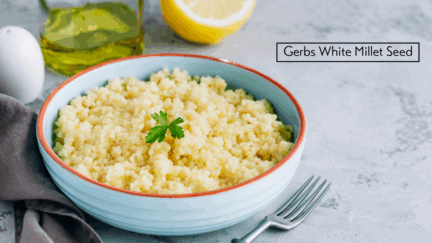
Cooking millet is similar to cooking rice or quinoa, resulting in a nutty, mild-flavored, and versatile grain. A standard ratio is 1 cup of raw millet to 2 cups of liquid (water or broth) for fluffy results, which takes about 20-25 minutes on the stove. For a creamier, porridge-like texture, use 3 cups of liquid.
Basic Stovetop Method (Fluffy)
- Rinse (Optional): Briefly rinse 1 cup of millet in a fine-mesh strainer to remove any dust.
- Toast (Recommended): For a deeper, nuttier flavor, toast the dry millet in a hot pan over medium heat for 3–5 minutes until fragrant and golden brown.
- Boil: Add 2 cups of water (or broth) and a pinch of salt to the pot. Bring to a boil.
- Simmer: Reduce heat to low, cover with a tight-fitting lid, and simmer for 15–20 minutes, or until the water is absorbed.
- Rest: Remove from heat and let it sit (covered) for 10 minutes to allow the grains to fully soften.
- Fluff: Fluff with a fork and serve.
Tips for Better Millet
- For Porridge: Use 3 to 4 cups of liquid (water or milk) per 1 cup of millet for a creamy breakfast cereal.
- Soaking: Soaking for 30 minutes to overnight can improve digestibility and reduce cooking time.
- Yield: 1 cup of dry millet yields about 3 to 4 cups of cooked millet.
- Storage: Cooked millet is best served warm. It can be stored in the refrigerator for up to 5 days.
Other Ways to Cook
- Instant Pot: Combine 1 cup millet with 1 ¾ cups water. Cook on high pressure for 8–10 minutes, then let the pressure release naturally for 10 minutes.
- Rice Cooker: Use a 1:2 ratio (1 cup millet to 2 cups water) and use the standard white rice setting.
- Slow Cooker: Combine 1 cup millet with 3 ½ cups water. Cook on low for 4–5 hours or high for 1 ½ to 2 ½ hours.
Incorporate millet into your diet by using it as a versatile, gluten-free, whole-grain alternative to rice, quinoa, or oats. Boil it for porridge or pilaf (1 cup millet to 2 cups water/broth), toast it for added crunch in salads, or use millet flour in baking. For better digestibility, soak the seeds for 6–12 hours before cooking.
Key Ways to Use Millet Seed
- Breakfast Porridge: Simmer with milk or water for a creamy breakfast bowl, similar to oatmeal.
- Pilaf & Sides: Toast in a pan with oil, then simmer with stock, herbs, and vegetables for a nutritious side dish.
- Salad Base: Use cooked, cooled millet instead of couscous or quinoa in salads, such as a lemon-garlic beet salad.
- Baked Goods: Add millet flour to muffins, breads, and cookies (up to 1/3 of the total flour) or use raw seeds for crunch.
- Thickener: Mix raw or cooked millet into stews, casseroles, or veggie burger mixes.
- Snacks: Toast raw seeds in a dry skillet for a crunchy topping, or “pop” them like popcorn.
Order now and Taste the Goodness of Gerbs!
Storage Recommendations
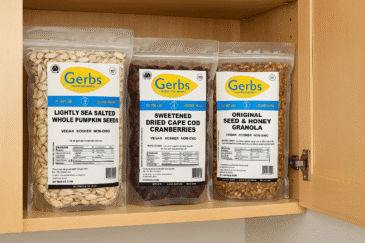
For the best flavor and freshness, we recommend storing your Gerbs in an airtight container in a cool, dark place such as a pantry or kitchen cabinet, away from sunlight and heat sources like the oven.
Each time the container is opened, oxygen sneaks in and can speed up rancidity, so try to keep only about one pound of product accessible at a time.
While Gerbs can be frozen, we don’t recommend it. Freezing and thawing can change the natural cell structure, which may affect texture and taste. Keep them cool, dry, and sealed tight for the best experience!
INGREDIENTS: Millet Grain
COUNTRY OF ORIGIN: USA
HOW TO COOK: For a fluffy consistency, first toast 1 cup in a saucepan on medium heat for about 5 minutes or until golden brown. Next, add 2 cups of water (or broth) to the pot and stir. Increase heat to high and bring to a boil. Then lower heat and simmer for about 15 minutes. Remove from heat and let sit for 10 minutes.
ALLERGY STATEMENT
Although we are a dedicated 14 Free product line & facility, if you have an allergy(ies) to any Gerbs ingredients, please email us first before ordering, so that we can answer any questions and talk about your options: sales@mygerbs.com
Our goal is to give the Allergy Community relief in the battle of living with food allergies. All of our raw ingredients are processed, packaged, handled, stored, and shipped by trained staff in our family owned & operated facility in Johnston, Rhode Island on dedicated non-GMO, Vegan, and Kosher Equipment. LEARN MORE
12 HEALTH BENEFITS OF MILLET
1. Millet grain is alkaline and it digests easily.
2. The Hunzas – who live in a remote area of the Himalayan foothills and are known for their excellent health and longevity – enjoy millet as a staple in their diet.
3. Millet will hydrate your colon to keep you from being constipated.
4. Millet acts as a prebiotic feeding microflora in your inner ecosystem.
5. The serotonin in millet is calming to your moods.
6. Millet is a smart carb with lots of fiber and low simple sugars. Because of this it has a relatively low glycemic index and has been shown to produce lower blood sugar levels than wheat or rice.
7. Magnesium in millet can help reduce the effects of migraines and heart attacks.
8. Niacin (vitamin B3) in millet can help lower cholesterol.
9. Millet consumption decreases triglycerides and C-reactive protein.
10. All millet varieties show high antioxidant activity. A team of biochemists analyzed the antioxidant activity; all varieties showed high antioxidant activity.
11. Millet grain is gluten-free and non-allergenic. A great grain for sensitive individuals.
12. Millet’s high protein content (15 percent) makes is a substantial addition to a vegetarian diet.
STORAGE
If properly stored, our Products will stay fresh so that you can enjoy them for many months. We strongly recommend storing in an airtight (dark colored/opaque) container in a cool, dark environment like a pantry or kitchen cabinet, away from direct exposure to sunlight or excessive heat like an oven. The amount of times you open the container and let in the harmful effects of oxygen will only increase the likelihood of rancidity.
Frequently Bought Together
Related products
-
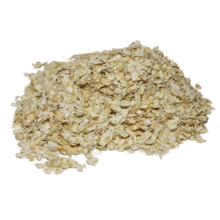
Instant Whole Grain Oats | Quick Cooking
Price range: $20.99 through $39.88 — available on subscription -
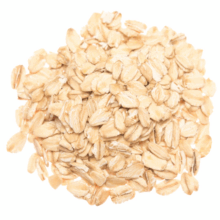
Traditional Rolled Oats | Oatmeal
Price range: $12.49 through $39.88 — available on subscription -
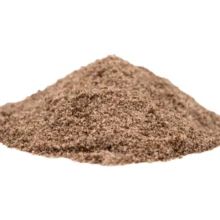
Ground Chia Seed Meal | Raw
Price range: $22.99 through $43.68 — available on subscription -
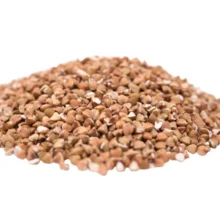
Buckwheat Groats | Raw Seed
Price range: $10.99 through $34.18 — available on subscription
Customer Reviews
You must be logged in to post a review.
Shop by Category
Find Your Safe Favorites
Seeds
Dried Fruit
Snack & Trail Mixes
Granola
Grains
1 review for White Millet Seed | Raw Grain