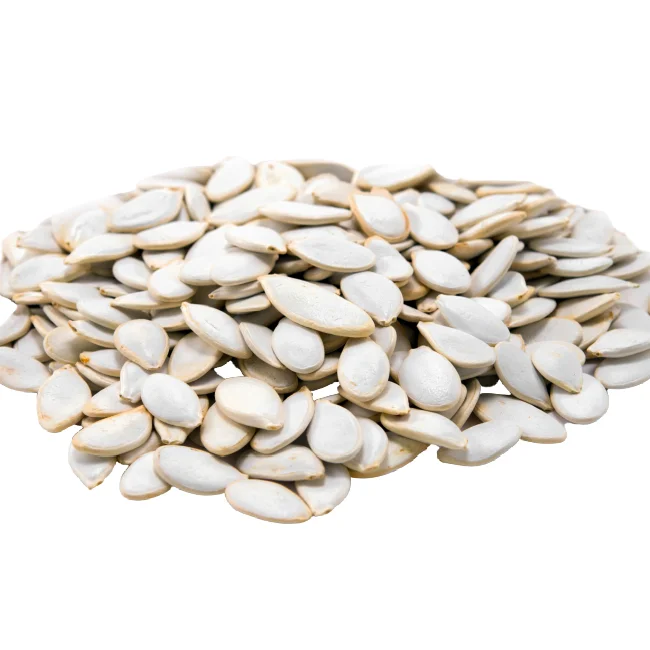
Raw Snow White Pumpkin Seeds from Gerbs are whole seeds harvested from select Cucurbita pepo varieties, with the white fibrous outer hull still intact. Unlike the small, green, hull-less pepitas sold in grocery stores, these shell-on seeds give you the full seed exactly as it comes off the plant. You can eat the white shell as is (it is edible, mildly chewy, and a meaningful source of dietary fiber), or you can crack or chew through it to reach the green kernel inside. Either approach works, and many people eat the whole seed without a second thought.
The “snow white” designation refers to the white-hulled Cucurbita pepo variety grown specifically for its pale outer shell and clean kernel flavor. USA Grade indicates these seeds meet USDA cleanliness and moisture standards for domestic production. Grown and processed in the United States, these seeds come to you in a 2-pound resealable bag from our dedicated facility in Johnston, Rhode Island.
Allergen Declaration
These pumpkin seeds are free from peanuts, tree nuts, wheat, gluten, milk, eggs, fish, shellfish, sesame, and soy. They are packaged in a dedicated peanut-free and tree nut-free facility in Johnston, Rhode Island. For the most current allergen information, always check the printed lot label on your bag.
What Are Snow White Pumpkin Seeds?
Snow White Pumpkin Seeds come from Cucurbita pepo, one of the most widely cultivated pumpkin and squash species. Within that species, certain varieties produce seeds with a distinctively white or off-white outer hull, giving them the “snow white” name. The white hull is the fibrous seed coat that surrounds the green kernel (cotyledon) inside.
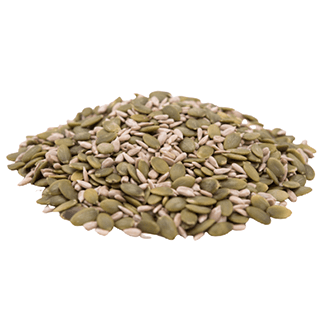
The term “pepita” technically refers to the hull-less green kernel only. In common usage in the US, pepitas are often the small, dark-green, shell-free seeds sold roasted and salted. Shell-on pumpkin seeds include the white fibrous hull as part of the whole seed. When you buy shell-on seeds, you are getting the complete seed with no processing step to remove the outer coat. USA Grade standards for pumpkin seeds evaluate the seed lot for cleanliness, uniform moisture content, and freedom from damage, insect activity, and foreign material.
Key Health Benefits of Pumpkin Seeds
Zinc
A one-ounce (28g) serving of shell-on pumpkin seeds provides approximately 2.2mg of zinc, which is about 20% of the Daily Value for adults, according to the USDA FoodData Central database. Zinc is an essential trace mineral that contributes to normal immune function, protein synthesis, and wound healing, as part of a balanced diet. The National Institutes of Health (NIH) notes that zinc plays a structural role in hundreds of enzymes and is required for proper cell division. Pumpkin seeds are one of the better plant-based sources of zinc available.
Magnesium
One ounce (28g) of pumpkin seeds contributes approximately 156mg of magnesium, roughly 37% of the Daily Value, per USDA FoodData Central data. The NIH identifies magnesium as a cofactor in more than 300 enzymatic reactions in the body, including those involved in protein synthesis, muscle and nerve function, and energy production. Pumpkin seeds consistently rank among the highest-magnesium foods per serving in plant-based diets.
Plant Protein
Shell-on pumpkin seeds supply approximately 5 grams of protein per 28g serving. Pumpkin seed protein contains a broad range of essential amino acids, including lysine, arginine, and glutamic acid, making them a useful contribution to plant-based protein intake. As part of a varied diet that includes other plant proteins, pumpkin seeds support daily protein needs.
Tryptophan and Sleep Quality
Pumpkin seeds are one of the dietary sources of L-tryptophan, an essential amino acid the body uses as a precursor to serotonin and, through serotonin, to melatonin. This information is provided for general nutritional awareness only and is not a medical claim. Pumpkin seeds are not a treatment or cure for sleep disorders. If you have concerns about sleep, consult a healthcare provider.
Antioxidants and Vitamin E
The oil fraction of pumpkin seeds contains tocopherols, the family of compounds that includes Vitamin E. Tocopherols function as fat-soluble antioxidants, contributing to cellular protection from oxidative stress as part of a balanced diet. USDA FoodData Central data documents tocopherol content in pumpkin seeds. Raw seeds retain more of these heat-sensitive compounds than heavily roasted seeds.
Nutrition Facts
Per 28g (approximately 1 oz) serving of shell-on raw pumpkin seeds:
- Calories: 130
- Total Fat: 6g (Saturated Fat: 2.5g; Polyunsaturated Fat: 2.5g)
- Total Carbohydrates: 15g
- Dietary Fiber: 5g
- Total Sugars: 0g
- Protein: 5g
- Zinc: 2.2mg (20% DV)
- Magnesium: 156mg (37% DV)
Note: Shell-on seeds have a higher carbohydrate and fiber count per ounce than hulled kernels alone, because the fibrous white shell contributes to both values. If you are comparing to pepita (kernel-only) nutrition labels, expect these numbers to differ. Source: USDA FoodData Central.
Flavor and Texture Profile
Raw shell-on pumpkin seeds have a mild, slightly starchy flavor with a neutral baseline that is easy to season in any direction. The white shell is chewy and fibrous, with a subtle vegetal note. When you crack or chew through the shell to reach the green kernel, the flavor becomes slightly nutty and richer. Roasting intensifies that nuttiness considerably, and the shell becomes crispier with heat. Plain raw seeds are quite neutral, which makes them flexible in both sweet and savory applications without competing with other flavors.
Ingredients
Raw Snow White Pumpkin Seeds.
Roasting at Home
Spread seeds in a single layer on a baking sheet. Toss lightly with oil and salt, or leave plain for a more neutral flavor. Roast at 325 degrees F for 20 to 25 minutes, stirring once halfway through. Watch closely in the last 5 minutes as the outer shell can brown quickly. Let cool fully before storing. Roasted shell-on seeds develop a crisp, crackable texture and a noticeably nuttier flavor than raw.
Snacking
Shell-on pumpkin seeds are a satisfying grab-and-go snack eaten whole. The fiber in the shell adds chew and helps slow digestion. Season with sea salt, smoked paprika, or chili lime for variety. A one-ounce portion is easy to portion from the resealable bag.
Salads and Trail Mix
Whole raw seeds add texture and mild flavor to green salads, grain bowls, and homemade trail mix. They hold their texture better than many lighter seeds and do not overpower other ingredients. Pair with dried cranberries, oats, and dark chocolate chips for a simple trail mix with good nutritional range.
Grinding for Seed Butter
Shell-on seeds can be ground into a coarse seed butter using a high-speed blender or food processor, though the resulting texture will be grainier and more fibrous than a butter made from hulled kernels alone. For a smoother seed butter, use hulled pumpkin seed kernels instead. Shell-on grinding works well for savory sauces or as a blended addition to smoothies where texture is less critical.
Cooking with Whole Seeds
Whole pumpkin seeds can be added to soups and stews as a topping or stirred into grain dishes like farro or brown rice for texture contrast. They hold up to moderate heat without falling apart and add a visual element to finished dishes. In Mexican and Central American cooking, whole toasted pumpkin seeds (pepitas, often shell-on) are ground into mole and pipian sauces.
Storage Recommendations
Store in a cool, dry pantry away from direct light and heat. An airtight container after opening extends shelf life. Whole shell-on pumpkin seeds kept sealed and dry will hold quality for up to 1 year. After opening, refrigerating the seeds in an airtight container extends freshness and slows oil oxidation. The resealable bag closure helps maintain freshness between uses, but a separate airtight jar is ideal for long storage.
FAQ
Do I eat the shell or just the kernel?
Both options work. The white outer shell is edible and provides additional dietary fiber. Many people eat the seed whole without removing anything. If you prefer the milder, nutty green kernel on its own, you can crack the shell by applying firm pressure between your back teeth and picking out the kernel. There is no wrong approach. Eating whole seeds gives you more fiber per serving; eating kernels alone gives you a more concentrated nut-like flavor and higher fat content per bite.
What is the difference between “shell-on” pumpkin seeds and pepitas?
Pepitas are the hull-less inner kernel of the pumpkin seed, typically small, flat, and green. The word “pepita” comes from Mexican Spanish and originally referred specifically to the naked kernel of certain squash varieties that do not form a hard outer shell. In US retail usage, pepitas are usually the hulled, green kernels. Shell-on pumpkin seeds include the white fibrous outer hull, giving you the full intact seed. They have a chewier texture and higher fiber content per ounce than pepitas.
Are these pumpkin seeds safe for nut allergy?
Pumpkin seeds are seeds, not nuts, and are botanically unrelated to tree nuts and peanuts. These seeds are processed in a dedicated peanut-free and tree nut-free facility in Johnston, Rhode Island, with no shared equipment for those allergens. Pumpkin seed allergy is a separate, uncommon condition. If you have a specific seed allergy, consult your allergist. Always check the printed lot label for the most current allergen information.
Can I roast these at home?
Yes. Toss shell-on seeds with a small amount of neutral oil and your choice of seasoning (or leave plain). Spread in a single layer on a baking sheet and roast at 325 degrees F for 20 to 25 minutes, stirring once at the halfway point. The seeds are done when the shell is lightly golden and crisp. Let them cool fully before eating or storing. They will continue to firm up as they cool.
What does “USA grade” mean for pumpkin seeds?
USDA grading for pumpkin seeds evaluates the seed lot based on cleanliness, uniform moisture content, and freedom from damage, disease, insect activity, and foreign material. USA Grade seeds meet federally established standards for purity and handling at the point of packing. It is an indicator of quality control applied to the raw seed lot before it reaches you.
Are raw pumpkin seeds as nutritious as roasted?
Raw seeds retain more heat-sensitive nutrients, particularly Vitamin E (tocopherols) and a higher proportion of unsaturated fats in their intact form. Light roasting at lower temperatures (under 350 degrees F) causes minimal nutrient loss for most minerals like zinc and magnesium, which are heat-stable. High-heat or extended roasting degrades more of the fat-soluble vitamins and can oxidize the polyunsaturated fat fraction. For maximum nutritional retention, raw or lightly roasted seeds at lower temperatures are preferable. For flavor, roasting adds depth that raw seeds lack.

2 reviews for In-Shell Pumpkin Seeds | Raw