

| Servings per container | 32 |
|---|---|
| Serving size | 1 oz. (28g) |
| Calories | 140 |
| Nutrient | % Daily Value* |
| Total Fat 9g | 12% |
| Saturated Fat 1g | 5% |
| Trans Fat 0g | |
| Polyunsaturated Fat 7g | |
| Monounsaturated Fat 1g | |
| Cholesterol 0mg | 0% |
| Sodium 0mg | 0% |
| Total Carbohydrate 12g | 4% |
| Dietary Fiber 11g | 39% |
| Total Sugars 0g | |
| Includes 0g Added Sugars | 0% |
| Protein 4g | 8% |
| Vitamin D 0mcg | 0% |
| Calcium 260mg | 20% |
| Iron 2.2mg | 12% |
| Potassium 115mg | 2% |
* The % Daily Value (DV) tells you how much a nutrient in a serving of food contributes to a daily diet. 2,000 calories a day is used for general nutrition advice.
Ingredients: Raw Black Chia Seeds. For best results refrigerate after opening.
Price range: $13.99 through $34.18 — or subscribe to save 5%
Black Chia Seeds | Raw
Pause or cancel anytime.
Free from the Top 14 allergens. Made on dedicated equipment. Allergen statement
Buying for a kitchen? This comes in a 25 lb bulk box for wholesale accounts. Apply for an account
Product Description
When you’re managing food allergies and looking for a clean source of omega-3 fatty acids, dietary fiber, and plant-based calcium, Gerbs Black Chia Seeds deliver. Processed in our dedicated facility in Johnston, Rhode Island, free from the top 14 food allergens, non-GMO. One ounce provides 5.1g of ALA omega-3, 9.8g of fiber (35% DV), and 179mg of calcium. Gel-forming and versatile.
Ingredients
Raw Black Chia Seeds.
Allergen Declaration
Free From: peanuts, tree nuts, milk, eggs, gluten/wheat, soybeans, fish, crustaceans, mollusks, sesame, mustard, celery, lupin, and sulfur dioxide/sulfites.
All raw ingredients are processed, packaged, handled, stored, and shipped by trained staff in our family owned & operated facility in Johnston, Rhode Island on dedicated kosher-certified equipment. If you have any questions about your allergy and our products, please contact us at [email protected] or (401) 231-5181 before ordering.
Flavor and Texture Profile
Black chia seeds have a mild, nearly neutral flavor with a very faint earthiness that most people describe as undetectable once the seeds are incorporated into food. Dry, they have a fine crunch. In liquid, they begin absorbing moisture within minutes and form a soft, tapioca-like gel within 10 to 20 minutes. This gel property makes them uniquely versatile: they can disappear into a smoothie, thicken a pudding, or bind a baked good without contributing any distinct taste. The black color of the seeds will be visible in lighter-colored foods, which is purely cosmetic and does not affect flavor.
Storage Recommendations
Store chia seeds in an airtight container in a cool, dry pantry away from direct sunlight. The naturally low moisture content gives whole chia seeds a shelf life of up to 2 years when stored properly. Refrigeration is not required for whole seeds. The resealable bag is designed to be resealed tightly after each use, which is sufficient for pantry storage. Avoid storing near heat sources such as a stovetop or above the refrigerator.
What Are Chia Seeds?
Gerbs Raw Premium Grade Black Chia Seeds arrive in a 2-pound resealable bag, sourced from South America and packed in our dedicated facility in Johnston, Rhode Island. Every batch starts with whole, unprocessed seeds selected for consistent size and color, with nothing added and nothing removed.
These black chia seeds are grown in the Mexico and Guatemala region, where the climate and soil conditions have supported chia cultivation for centuries. From farm to bag, the seeds undergo no roasting, bleaching, or chemical treatment, giving you a shelf-stable whole food in its natural state.
Chia seeds come from Salvia hispanica, a flowering plant in the mint family native to central Mexico and Guatemala. The Aztec and Maya civilizations cultivated chia as a staple crop for energy and sustenance, and the word “chia” itself derives from the Nahuatl word for strength. After centuries of limited visibility outside the Americas, chia seeds re-entered the broader food market in the late 20th century and have since become one of the most widely studied whole-food seeds available.
Black and white chia seeds come from the same species. The color difference is purely cosmetic, the result of natural pigment variation between seed batches, with no meaningful difference in nutritional composition. Both types form the same characteristic gel when exposed to liquid, absorbing up to 10 times their weight in water. Black seeds are the more common commercial variety and provide the same complete nutritional profile as white seeds.
What Is in Chia Seeds
Chia seeds have been studied extensively for their nutrient density relative to serving size. The following sections summarize what the current evidence says about each nutrient category, using verified values from USDA FoodData Central SR Legacy entry #12006.
Plant-Based Omega-3 ALA
A 12g serving of black chia seeds contains approximately 2.5g of alpha-linolenic acid (ALA), the plant-derived omega-3 fatty acid. According to the NIH Office of Dietary Supplements, ALA is an essential fatty acid, meaning the body cannot synthesize it and must obtain it from food. Chia seeds are among the highest plant-based sources of ALA per gram, alongside flaxseed and walnuts.
Dietary Fiber
Each 12g serving provides approximately 4.1g of dietary fiber, which represents roughly 15% of the Daily Value based on a 2,000-calorie diet. A significant portion of chia’s fiber is soluble, meaning it absorbs water and forms a gel-like consistency in the digestive tract. This gel-forming property is also what makes chia seeds useful as a thickener in cooking.
Calcium and Bone Minerals
A 12g serving of chia seeds provides approximately 90mg of calcium, representing about 9% of the Daily Value, along with magnesium (approximately 34mg, 8% DV) and phosphorus. Chia seeds are a notable plant-based source of calcium for individuals who do not consume dairy, though total dietary context matters for absorption.
Plant Compounds
According to USDA FoodData Central and published analyses, chia seeds contain several polyphenol compounds including chlorogenic acid, caffeic acid, and quercetin. Chia seeds also contain myricetin and kaempferol, contributing to their overall polyphenol profile.
How to Use
Chia Gel and Puddings
To make basic chia gel, combine 1 tablespoon of chia seeds with 3 tablespoons of water or milk of your choice. Stir well, let sit for 5 minutes, stir again to break up any clumping, then refrigerate for at least 20 minutes or overnight. The result is a thick, pudding-like gel that serves as a base for overnight chia pudding. Layer with fruit, nut butters, granola, or a drizzle of honey. For a thinner consistency suitable as a jam replacement, use a 1:6 ratio of seeds to liquid.
Smoothies
Add 1 tablespoon of dry chia seeds directly to any blended smoothie. The blending action breaks down the seeds and distributes them evenly through the drink. For a thicker smoothie, pre-soak the seeds in water for 10 minutes before adding them to the blender. Chia seeds are particularly effective at extending the staying power of a smoothie without adding noticeable flavor.
Baking
Chia seeds can be added whole to muffins, quick breads, granola bars, and cookie doughs at a ratio of 1 to 2 tablespoons per cup of flour. They add subtle texture without changing the flavor profile of a baked good. Ground chia seeds can be mixed into flour blends to increase fiber content. Pre-soaked chia gel can also replace up to 25% of the fat in some baking recipes, keeping baked goods moist.
Savory Cooking
Stir chia seeds into soups or stews during the last few minutes of cooking to add body and nutrition without altering the flavor. Sprinkle dry seeds over roasted vegetables, grain bowls, or avocado toast. Mix into salad dressings or vinaigrettes; the seeds will absorb the liquid and give the dressing a slightly thicker consistency. Chia seeds also work well mixed into taco fillings, veggie burger patties, or meatloaf as a binding agent.
Chia Egg Substitute
To replace one egg in baking, combine 1 tablespoon of chia seeds with 3 tablespoons of water. Stir, then let the mixture sit for 10 minutes until it forms a thick gel. This chia egg works best in recipes where the egg functions primarily as a binder, such as muffins, quick breads, pancakes, and cookies. It is not a substitute in recipes that rely on eggs for lift or structure, such as chiffon cakes or souffles.
WARNING: California Proposition 65
WARNING: Consuming this product can expose you to chemicals including lead and cadmium, which are known to the State of California to cause cancer and birth defects or other reproductive harm. For more information go to www.P65Warnings.ca.gov/food.
FAQ
Do I need to grind chia seeds to get the nutrients?
No. Unlike flaxseeds, chia seeds have a thin, digestible hull that breaks down during normal chewing and digestion. You do not need to grind chia seeds before eating them to access their nutrients. Whole chia seeds deliver their full nutritional profile whether eaten dry, soaked into gel, or blended into food. Grinding is optional and produces a finer texture useful in some baking applications, but it is not required for nutrient absorption.
What is a chia egg and how do I make one?
A chia egg is a plant-based egg substitute made by combining 1 tablespoon of chia seeds with 3 tablespoons of water, then letting the mixture sit for 10 minutes until it forms a thick gel. This gel mimics the binding function of an egg in recipes like muffins, pancakes, and cookies. It works best when the egg’s primary role is binding rather than leavening or structure. One chia egg equals one large chicken egg in most binding applications.
How much chia should I eat per day?
Most nutrition guidelines and registered dietitian recommendations suggest 1 to 2 tablespoons (12 to 24g) per day for most adults as a reasonable amount to incorporate into a balanced diet. The Mayo Clinic notes that high fiber intake can cause digestive discomfort if increased too quickly, so if you are new to chia seeds, start with 1 teaspoon and increase gradually over a week or two while drinking plenty of water. Individuals with specific health conditions or on certain medications should consult a healthcare provider.
Are these safe for people with nut allergies?
Yes. Chia seeds are not a nut and are not botanically related to any tree nuts or peanuts. They are the seed of the Salvia hispanica plant, a member of the mint family. Gerbs chia seeds are packaged in a dedicated peanut-free and tree nut-free facility in Johnston, Rhode Island, with no shared equipment. Always verify with your allergist if you have a severe allergy, and check the printed lot label for the most current allergen information.
What is the difference between black and white chia seeds?
The difference is cosmetic only. Black and white chia seeds come from the same plant species, Salvia hispanica, and have virtually identical nutritional profiles. Both form the same gel when hydrated, taste the same, and behave the same in cooking. The color variation is a natural result of pigment differences between seed batches, similar to the color variation in sesame seeds. Nutritionally, you can use black and white chia seeds interchangeably. The only practical difference is appearance in lighter-colored dishes.
Can I eat chia seeds dry?
Yes, chia seeds can be eaten dry sprinkled over food or mixed into dry ingredients. However, consuming large amounts of dry chia seeds with insufficient water may carry a choking risk, as the seeds will begin absorbing moisture in the throat and esophagus. The FDA has noted isolated reports of esophageal obstruction from dry consumption of chia seeds in large quantities. Eating 1 to 2 teaspoons of dry chia seeds as a topping on yogurt or salad, where they mix with the moisture already in the food, is generally considered safe. Soaking them first is the lower-risk option, particularly for individuals who have difficulty swallowing.
Frequently Bought Together
Related products
Customer Reviews
10 reviews for Black Chia Seeds | Raw
You must be logged in to post a review.
Shop by Category
Find Your Safe Favorites
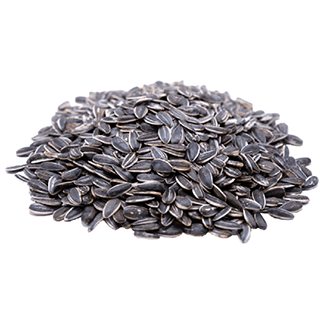
Seeds
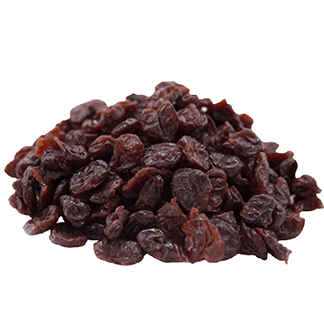
Dried Fruit
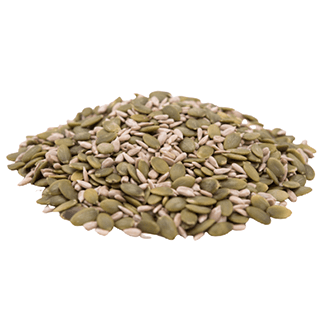
Snack & Trail Mixes
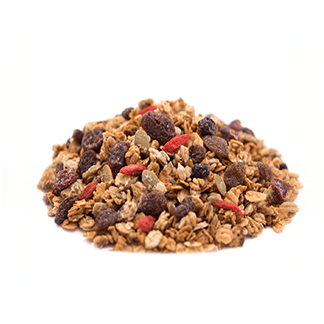
Granola
Grains
Leslie – Verified Buyer
This is my second order of the chia seeds. I wil continue purchasing this products. This company is Amazing – excellent quality.
Michelle Zwiefelhofer – Verified Buyer
These are perfect for making chia pudding, adding to granola bars or sprinkling on anything. My family has multiple food allergies and it’s great to know these are safe for everyone in our family!
Tracy Heberle – Verified Buyer
I am so happy with my chia seed purchase. I am starting a food elimination diet in hopes of determining my food allergies. I needed to find a fiber replacement for wheat/bran. These seeds are perfect. I’m put them in my allergy safe oatmeal. So grateful for your allergy safe facility and food alternatives!
lgneub – Verified Buyer
I would ahead and ordered a bag of the black chai seeds. I wasn’t quite sure what to do with them, but there were some interesting recipes online. I need more fiber and a way to help lower my cholesterol and all articles pointed to Chai seeds. My daughter said food, allergies, which eliminated buying these at every location that I looked into. They are fun! They the recipe for pudding 🙂 No worries with the allergies is a relaxing change.
Beth – Verified Buyer
Love these chia seeds!!
Cynthia Le Bosse – Verified Buyer
Great product and fast delivery.
jan – Verified Buyer
Prompt delivery and there was a snow storm in the East! So happy to find a nut free facility….please expand your product line.
Elena E Smith –
This price is amazing- my kids eat this in their cereal everyday and it such a relief knowing that it is safe for my son with multiple life threatening food allergies. Thank you.
Katy – Verified Buyer
Chia seeds are good
Sennen Conte –
Thank you. We hope that you will return to Gerbs and check out some of our other products.
ninamikey – Verified Buyer
So happy to find seeds that are produc d in a peanut free facility!!!
Sennen Conte –
We are…. “proud to be 14 free”