
| Servings per container | 32 |
|---|---|
| Serving size | 1 oz. (28g) |
| Calories | 160 |
| Nutrient | % Daily Value* |
| Total Fat 14g | 18% |
| Saturated Fat 1g | 5% |
| Trans Fat 0g | |
| Polyunsaturated Fat 7g | |
| Monounsaturated Fat 5g | |
| Cholesterol 0mg | 0% |
| Sodium 280mg | 12% |
| Total Carbohydrate 6g | 2% |
| Dietary Fiber 2g | 7% |
| Total Sugars 1g | |
| Includes 0g Added Sugars | 0% |
| Protein 6g | 12% |
| Vitamin D 0mcg | 0% |
| Calcium 26mg | 2% |
| Iron 1.4mg | 8% |
| Potassium 188mg | 4% |
* The % Daily Value (DV) tells you how much a nutrient in a serving of food contributes to a daily diet. 2,000 calories a day is used for general nutrition advice.
Ingredients: Roasted Sunflower Seed Kernels, Sea Salt. (for best results refrigerate or store in cool, dark environment upon opening.)
Price range: $17.99 through $34.18 — or subscribe to save 5%
Sunflower Kernels | Sea Salted
Pause or cancel anytime.
Free from the Top 14 allergens. Made on dedicated equipment. Allergen statement
Product Description
Gerbs Sea Salted Sunflower Kernels are dry-roasted hulled sunflower seeds finished with a bold, full sea salt seasoning. Two ingredients: sunflower kernels and sea salt. Processed in our dedicated, family-owned facility in Johnston, Rhode Island, free from all 14 major allergens including peanuts, tree nuts, gluten, soy, and dairy. A satisfying savory snack with no hidden ingredients.
Ingredients
Sunflower Kernels, Sea Salt.
Allergen Declaration
Free From: peanuts, tree nuts, milk, eggs, gluten/wheat, soybeans, fish, crustaceans, mollusks, sesame, mustard, celery, lupin, and sulfur dioxide/sulfites.
All raw ingredients are processed, packaged, handled, stored, and shipped by trained staff in our family owned & operated facility in Johnston, Rhode Island on dedicated kosher-certified equipment. If you have any questions about your allergy and our products, please contact us at [email protected] or (401) 231-5181 before ordering.
Flavor & Texture Profile
Sea salted sunflower kernels deliver a full, bold finish. The sea salt is applied generously enough that it is the first thing you notice, a clean, mineral saltiness that complements the roasted nuttiness underneath. This is the variety for those who want a satisfying, savory snack experience. The dry-roasted crunch remains consistent with all roasted kernel varieties: no oil, no coating, just seed and salt.
Storage Recommendations
Store in a cool, dry place away from direct sunlight and heat sources. Once opened, transfer to an airtight container and refrigerate. Sunflower kernels have a naturally high oil content, proper sealing is important to prevent oxidation, which can cause rancidity and off-flavors. For longer-term storage, both kernels and in-shell seeds can be frozen in an airtight bag or container for up to 12 months without significant loss of flavor or nutrition. Allow frozen seeds to come to room temperature before serving.
What Are Sunflower Kernels?
When you’re shopping for sea salted sunflower kernels with food allergies in mind, the most important question is not the salt, it is what else is in the bag and where it was made. Gerbs sea salted sunflower kernels contain two ingredients: sunflower kernels and sea salt. They are processed in our family-owned, dedicated facility in Johnston, Rhode Island, with no shared lines with peanuts, tree nuts, gluten, soy, dairy, or any of the other top 14 allergens.
Sunflower kernels, the hulled, shelled inner seed, ready to eat without cracking, are dry-roasted here without oil before sea salt is applied. The sea salted variety uses a full, generous salt application: this is not a restrained seasoning. At 180mg of sodium per ounce, the salt is the intended flavor feature. For those who want a bold, savory snacking experience from an allergen-safe source, this delivers it without compromise.
Sea salted sunflower kernels work equally well as a snack, a salad topper, and a finishing element for grain bowls and roasted vegetables. The dense, satisfying crunch and clean salty finish make them a reliable substitute for heavily salted nut products in households where nuts are off the table.
Sunflower kernels are the hulled, inner seeds of the sunflower plant (Helianthus annuus). You may also see them labeled as shelled sunflower seeds, kernels and shelled sunflower seeds are the same product: the fibrous outer hull has been removed, leaving only the tender, ready-to-eat seed inside. The result is a versatile ingredient that requires no cracking and no preparation: open the bag and they are ready to eat, cook, or bake with immediately. Their mild, subtly nutty flavor makes them one of the most adaptable seeds in the kitchen and a consistent pantry staple for health-conscious shoppers and allergy households alike.
What Is in Sunflower Seeds
Vitamin E
A single 1-ounce serving of sunflower kernels delivers 7.4mg of vitamin E, 37% of the Daily Value. It is one of the highest vitamin E concentrations of any common snack food.
Selenium
Sunflower kernels provide 22.5mcg of selenium per 1-ounce serving, 41% of the Daily Value. It is a micronutrient that many diets fall short on.
Magnesium
One ounce of sunflower kernels contains 91mg of magnesium, 22% of the Daily Value.
Healthy Polyunsaturated Fats
Each 1-ounce serving of sunflower kernels contains 9.7g of polyunsaturated fat, primarily linoleic acid (omega-6). The Mayo Clinic identifies unsaturated fats as a beneficial part of a balanced diet when used in place of saturated fats.
As with all foods, individual results may vary. Gerbs makes no medical claims.
How to Use Sunflower Kernels
1. Snack Straight From the Bag
Sunflower kernels require zero preparation. Measure a one-ounce serving, roughly 3 tablespoons, into a small bowl or portion cup. They are dense enough to be filling as a standalone snack and mild enough to pair with dried fruit, dark chocolate chips, or other seeds without clashing. A reliable option for school lunches, desk snacking, or any situation where a nut-free, allergen-free snack is needed.
2. Add to Salads and Grain Bowls
Sunflower kernels add texture and a mild nuttiness to green salads and grain bowls without the allergen concerns of pine nuts or slivered almonds. Toss 2-3 tablespoons over mixed greens, quinoa bowls, or roasted vegetable salads just before serving. They absorb dressings well and add healthy fats and vitamin E to otherwise light dishes.
3. Stir Into Oatmeal or Yogurt
For a quick breakfast upgrade, stir a tablespoon or two of raw or roasted kernels into oatmeal or yogurt. Raw kernels integrate more smoothly; roasted kernels provide a light crunch. Both work.
4. Bake Into Breads, Muffins, and Energy Balls
Sunflower kernels are a direct substitute for chopped nuts in most baked goods: breads, muffins, quick breads, granola bars, and no-bake energy balls. Use a 1:1 substitution ratio by volume. One note for bakers: sunflower kernels contain chlorogenic acid, which reacts with baking soda and baking powder to produce a harmless green or blue-green discoloration in the crumb. The flavor is unaffected, the color change is a natural chemical reaction, not a spoilage indicator.
5. Blend Into Smoothies or Make Sunflower Seed Butter
A tablespoon of raw sunflower kernels blends into a smoothie without significantly altering the flavor. For sunflower seed butter, add raw kernels to a food processor and process for 8-12 minutes, scraping down the sides every few minutes, until completely smooth and creamy. Add a pinch of sea salt and a small amount of neutral oil if needed. The result is a peanut butter alternative that is free from all 14 major allergens.
WARNING: California Proposition 65
WARNING: Consuming this product can expose you to chemicals including lead and cadmium, which are known to the State of California to cause cancer and birth defects or other reproductive harm. For more information go to www.P65Warnings.ca.gov/food.
FAQ
Are Gerbs sunflower kernels safe for people with nut allergies?
Gerbs sunflower kernels are free from the top 14 allergens, including peanuts and tree nuts. If you have a severe allergy, call us at (401) 231-5181 or email [email protected] before ordering.
What is the difference between sunflower kernels and sunflower seeds?
Sunflower kernels are the hulled, ready-to-eat inner seed, the shell has been removed. Sunflower seeds is the broader term that can refer to either the whole in-shell seed or the shelled kernel depending on context. When Gerbs uses “sunflower kernels,” it always means the hulled product with the shell removed, ready to eat or cook with immediately. When Gerbs uses “in-shell sunflower seeds,” it always means the whole seed with the hull intact.
Are Gerbs sunflower kernels raw or roasted?
Both options are available. Raw sunflower kernels are unprocessed beyond cleaning and hulling, no heat, no oil, no additives. Roasted sunflower kernels are dry-roasted without oil, producing a deeper, nuttier flavor and a lighter crunch. Salted varieties are available in both lightly sea salted and sea salted options. The roasting method does not use oil or other coatings.
How should I store Gerbs sunflower kernels?
Store in a cool, dry place in an airtight container. After opening, refrigerate and use within 3-4 months for best flavor. For longer storage, freeze in an airtight bag for up to 12 months. Sunflower kernels have a high oil content, and exposure to heat, light, or air can cause oxidation. Proper sealing is the most important storage step.
Are sunflower kernels processed in a gluten-free facility?
Yes. Our Johnston, Rhode Island facility is dedicated and free from all 14 allergen categories. There are no shared lines and no shared equipment with gluten-containing grains. The facility handles only the products we sell under the Gerbs brand.
Can I use sunflower kernels as a nut substitute in baking?
Yes. Sunflower kernels substitute for chopped nuts at a 1:1 ratio by volume in most baked goods, breads, muffins, cookies, granola, and energy bars. One important note: sunflower kernels contain chlorogenic acid, which reacts with the alkaline environment created by baking soda or baking powder. This reaction can turn the crumb of baked goods green or blue-green. The discoloration is harmless, it does not affect flavor or safety, but it can be surprising if you are not expecting it. Adding a small amount of acidic ingredient (lemon juice or cream of tartar) to the batter can reduce the effect.
More Gerbs Sunflower Seeds
Frequently Bought Together
Related products
Customer Reviews
2 reviews for Sunflower Kernels | Sea Salted
You must be logged in to post a review.
Shop by Category
Find Your Safe Favorites
Seeds
Dried Fruit
Snack & Trail Mixes
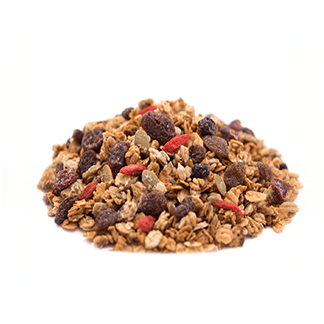
Granola
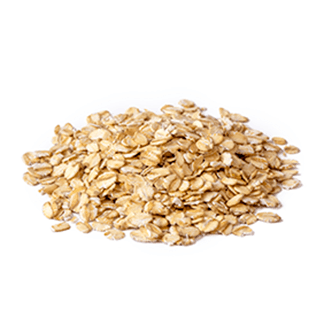
Grains
clee4jesus – Verified Buyer
These seed kernels have become my all time favorite. Not only do they taste fantastic, they are clean eating at it’s best. They are very reasonably priced, I receive them in two days every time, without paying anything extra for speedy shipping, all the way across the country! I won’t be buying any other brand from now on. LOVE, LOVE, LOVE THEM!!!
April Beddow – Verified Buyer
Delicious! Our girls are loving these and super happy to finally enjoy sunflower seeds! You can’t accommodate allergies with in store items. Thank you for making great products!