
$719.60 — or subscribe to save 5%
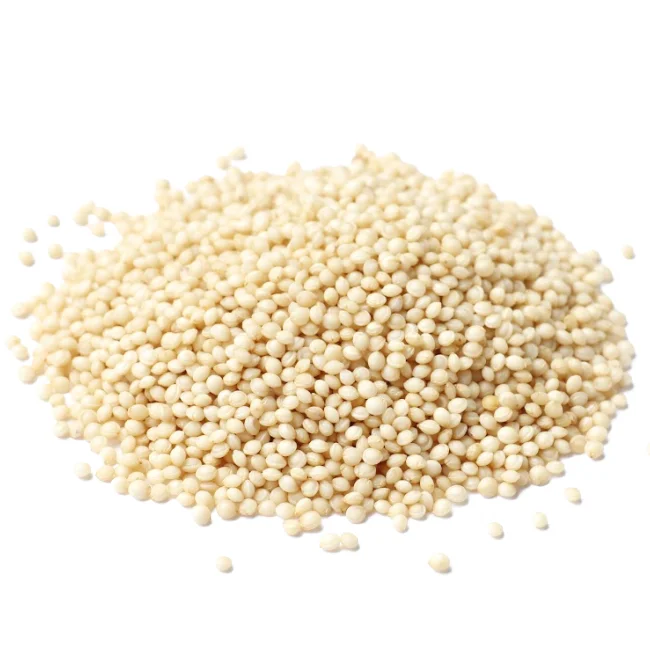
Gerbs Raw White Amaranth Grain | 14-Free | 50 lb Bulk Case
Pause or cancel anytime.
Out of stock
Want to be notified when this product is back in stock?
Free from the Top 14 allergens. Made on dedicated equipment. Allergen statement
Product Description
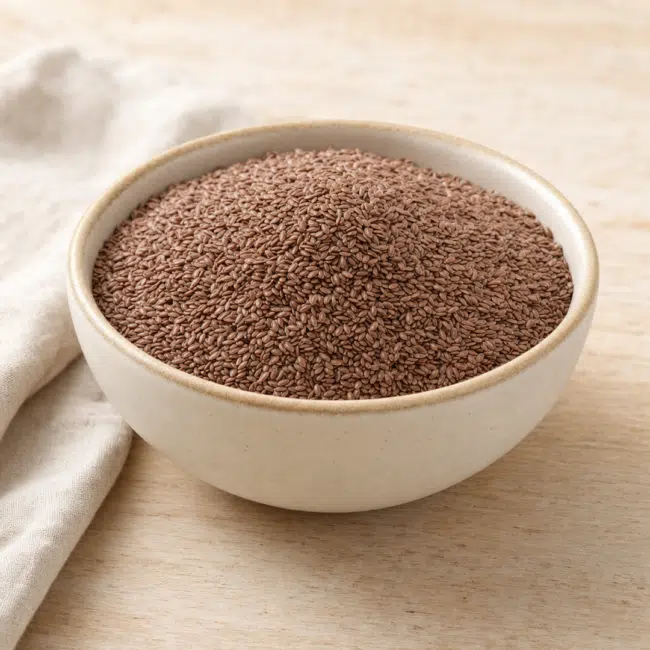
MORE PROTEIN THAN CHEESE! The ancient grain Amaranth is one of the most protein-rich of any plant-based food, rivaling that of animal-based foods like cheese. It is also naturally gluten-free. Amaranth releases starch during cooking resulting in a gelatinous consistency with each grain creating a subtle, caviar-like “pop” when you eat it. Makes a terrific nutritious breakfast food. Scroll down for cooking instructions.
Ingredients
White Amaranth Grain.
Nutrition Facts, White Amaranth Grain
Serving Size: ¼ cup dry (48g) | Servings Per Container: varies by size
- Calories: 180
- Total Fat: 3g
- Sodium: 0mg
- Total Carbohydrate: 32g
- Dietary Fiber: 4g (14% DV)
- Total Sugars: 0g
- Protein: 5g
- Iron: 2.1mg (12% DV)
- Magnesium: 65mg (15% DV)
- Calcium: 37mg (3% DV)
Percent Daily Values based on a 2,000 calorie diet. Data sourced from USDA FoodData Central.
Allergen Declaration
Free From: peanuts, tree nuts, milk, eggs, gluten/wheat, soybeans, fish, crustaceans, mollusks, sesame, mustard, celery, lupin, and sulfur dioxide/sulfites.
All raw ingredients are processed, packaged, handled, stored, and shipped by trained staff in our family owned & operated facility in Johnston, Rhode Island on dedicated kosher-certified equipment. For anyone with a mild to severe food allergy or a family with one, we wish to assure you that this is why Gerbs handles all aspects of production & operation. If you have any questions about your allergy and our products, please contact us at [email protected] or (401) 231-5181 before ordering.
Flavor & Texture Profile
White amaranth has a mild, earthy, slightly grassy flavor, more subtle than teff but with its own distinctive character that deepens when toasted before cooking. When cooked with standard water ratios, amaranth takes on a gelatinous, porridge-like consistency: creamy and slightly sticky, similar to polenta but lighter. For a more textured result, reduce the water slightly or combine with other grains. The mild flavor makes amaranth an excellent base for both savory and sweet preparations, it readily absorbs the flavors of the broth, herbs, or spices it is cooked with.
Storage Recommendations
Store Gerbs White Amaranth Grain in a cool, dry location in an airtight container. Amaranth’s small seed size means moisture can be absorbed quickly, airtight storage is important to prevent clumping and maintain quality. Shelf life is 1-2 years properly stored. Cooked amaranth keeps refrigerated for up to 5 days and frozen for up to 3 months.
Key Health Benefits of White Amaranth Grain
Complete Protein with All Essential Amino Acids
Amaranth is one of the few plant foods classified as a complete protein, it contains all nine essential amino acids including lysine, which is typically low or absent in cereal grain proteins like corn, wheat, and rice. According to the NIH, protein quality is determined by amino acid completeness, and amaranth’s profile is comparable to animal-sourced proteins in its amino acid composition. A ¼ cup dry serving provides approximately 5 grams of protein. This makes amaranth particularly valuable for plant-based and allergen-restricted diets that rely on diverse plant proteins for complete amino acid coverage.
Iron for Energy and Oxygen Transport
White amaranth provides approximately 2.1 mg of iron per ¼ cup dry serving, contributing about 12% of the daily value. Iron is essential for hemoglobin synthesis, oxygen transport, and cellular energy metabolism. Amaranth’s iron content is higher than most common grains and is one reason it was so nutritionally important to indigenous populations in the Americas where it was cultivated. Pairing amaranth with vitamin C-rich ingredients enhances non-heme iron absorption.
Magnesium for Enzymatic and Muscle Function
Each serving of white amaranth provides approximately 65 mg of magnesium, about 15% of the daily value. Magnesium participates in over 300 enzymatic reactions including those governing protein synthesis, muscle relaxation, nerve transmission, and blood glucose regulation. The magnesium content in amaranth is among the higher values found in pseudocereals and whole grain seeds, making it a meaningful contributor to daily magnesium intake.
Calcium for Bone and Muscle Support
Amaranth provides approximately 37 mg of calcium per ¼ cup dry serving, a modest but meaningful amount for a grain food. While dairy products typically provide far higher calcium per serving, amaranth’s calcium content is notable among plant grains and contributes to total daily intake alongside other plant-based calcium sources like leafy greens, fortified plant milks, and teff.
Squalene, A Rare Antioxidant in Grain Foods
Amaranth grain oil contains squalene, a naturally occurring antioxidant triterpene that is rare in grain and seed foods. Squalene is found in high concentrations in shark liver oil and olive oil, and amaranth is one of the few grain sources. While the squalene content per serving is modest, its presence in a plant-based whole grain food is nutritionally distinctive and adds to the overall antioxidant profile of amaranth.
As with all foods, individual results may vary. Gerbs makes no medical claims.
What Is White Amaranth?
When you’re shopping for amaranth with food allergies in mind, you’re looking at one of the most ancient and nutritionally dense grain crops in the world, and at Gerbs, it’s one we take particular care with. Our White Amaranth Grain is processed, packaged, and shipped entirely within our dedicated allergen-free facility in Johnston, Rhode Island. Free from all 14 major allergens. No shared equipment.
Amaranth (Amaranthus spp.) was a foundational crop of the Aztec civilization in Mesoamerica, where it was cultivated extensively alongside maize and beans as one of the “Three Sisters” crops. The Aztecs called it huauhtli and used it not only as food but in ceremonial practices, which led the Spanish conquistadors to suppress its cultivation after conquering the region in the 16th century. Despite this suppression, amaranth survived in isolated communities and mountain villages throughout Mexico and Central America, and today it is recognized globally as one of the most nutritionally significant “lost crops” of the ancient world.
Botanically, amaranth is not a cereal grain, it is a seed from a broadleaf plant in the family Amaranthaceae. This pseudocereal distinction is nutritionally meaningful: amaranth’s protein contains all essential amino acids, including lysine, which is typically deficient in true cereal grains. It is naturally gluten-free, remarkably high in iron and magnesium for a grain seed, and cooks to a creamy, porridge-like texture that makes it a versatile base for both sweet and savory dishes. For any household managing food allergies and looking for a nutrient-dense, ancient whole grain, Gerbs White Amaranth Grain is a trustworthy, fully traceable choice.
White amaranth refers to the pale-seeded varieties of Amaranthus, a genus of broadleaf plants in the family Amaranthaceae that includes both grain amaranths and leafy vegetable amaranths. Grain amaranth is technically a pseudocereal: a seed used culinarily like a grain but botanically not a grass. The tiny round seeds (about 1-2mm in diameter) were a staple of Aztec civilization and are today grown across the Americas, Asia, and Africa. White amaranth has a mild, earthy, slightly grassy flavor; its protein content is notably high and includes all essential amino acids. It cooks to a gelatinous, porridge-like consistency. Because of its size and the structure of the seed, amaranth is always consumed whole, it cannot be meaningfully separated into components, making it a whole grain by default. It is naturally gluten-free and non-GMO.
How to Cook White Amaranth Grain
Stovetop Porridge Method
Combine 1 part Gerbs White Amaranth Grain with 2.5 parts water or broth in a saucepan. Bring to a boil over medium-high heat, then reduce to a low simmer. Cover and cook for 20 minutes, stirring occasionally. The grain will absorb the liquid and thicken to a creamy porridge-like consistency. Remove from heat and let stand 5 minutes before serving.
Instant Pot Method
Combine amaranth and water at 1:2.25 ratio. Cook on High Pressure for 5 minutes with a 10-minute natural release. Stir well, amaranth tends to settle. The result is creamy and thick, ideal for porridge-style applications.
Toast Before Cooking (Optional)
Dry-toast amaranth in a skillet over medium heat for 2-3 minutes, stirring constantly, the tiny seeds will begin to pop and release a nutty aroma. Toasting adds a pleasant nuttiness and a slightly drier texture to the finished porridge. This is especially recommended for savory preparations.
Serving Suggestions
Serve amaranth porridge sweet with fresh fruit, a drizzle of honey alternative, and cinnamon. For savory applications, cook in vegetable broth and finish with roasted garlic, fresh thyme, and a drizzle of olive oil. Use cooked amaranth as a grain bowl base alongside roasted sweet potatoes and arugula. Cooled amaranth porridge can be pressed into a loaf pan, chilled, sliced, and pan-seared like polenta for a crispy-edged side dish.
Meal Prep
Cooked amaranth keeps in the refrigerator for up to 5 days. It thickens significantly when chilled, thin with water or broth when reheating. Freeze in portioned containers for up to 3 months.
WARNING: California Proposition 65
WARNING: Consuming this product can expose you to chemicals including lead and cadmium, which are known to the State of California to cause cancer and birth defects or other reproductive harm. For more information go to www.P65Warnings.ca.gov/food.
FAQ
Is Gerbs White Amaranth safe for people with celiac disease or gluten sensitivity?
Yes. Amaranth is naturally gluten-free, it is not a cereal grain and contains no gluten proteins. Gerbs processes amaranth in a dedicated allergen-free facility in Johnston, Rhode Island with no wheat, no gluten, and none of the 14 major allergens. For anyone managing celiac disease or multiple food allergies, the Gerbs dedicated facility model provides a level of safety that shared-facility “gluten-free” lines cannot match. Contact [email protected] before ordering with any specific questions.
Is amaranth a grain or a seed?
Botanically, amaranth is a seed from a broadleaf plant (Amaranthus spp.) and is classified as a pseudocereal, not a true cereal grain. True cereal grains come from plants in the grass family (Poaceae), while amaranth comes from the Amaranthaceae family. This botanical distinction is part of why amaranth’s nutritional profile, particularly its complete protein content, differs from typical cereal grains. Culinarily, it is used exactly like a grain.
How do I cook Gerbs White Amaranth Grain?
Use a 1:2.5 ratio (amaranth:water), bring to a boil, then simmer covered for 20 minutes. Amaranth cooks to a creamy, porridge-like texture. See the full How to Cook section for Instant Pot instructions and serving ideas including savory preparations.
Is Gerbs Amaranth processed in a dedicated gluten-free facility?
Yes. Our Johnston, Rhode Island facility handles no gluten-containing ingredients, no wheat, and none of the 14 major allergens. No shared equipment. Completely dedicated.
How should I store Gerbs White Amaranth Grain?
Store in an airtight container in a cool, dry place. Airtight storage is especially important for amaranth given the small seed size and tendency to absorb moisture. Shelf life is 1-2 years. Cooked amaranth keeps refrigerated for 5 days or frozen for 3 months.
What does amaranth taste like? Is it similar to quinoa?
Amaranth has a mild, earthy, slightly grassy flavor, somewhat similar to quinoa but more subtle and with a creamier, more gelatinous cooked texture. Quinoa stays fluffier and more grain-like when cooked, while amaranth becomes porridge-like. Both are pseudocereals with complete protein profiles, but their culinary textures and flavor profiles are noticeably different. Amaranth is more similar to polenta or cream of wheat in texture than to fluffy quinoa.
Customer Reviews
You must be logged in to post a review.
Shop by Category
Find Your Safe Favorites
Seeds
Dried Fruit
Snack & Trail Mixes
Granola
Grains
Reviews