
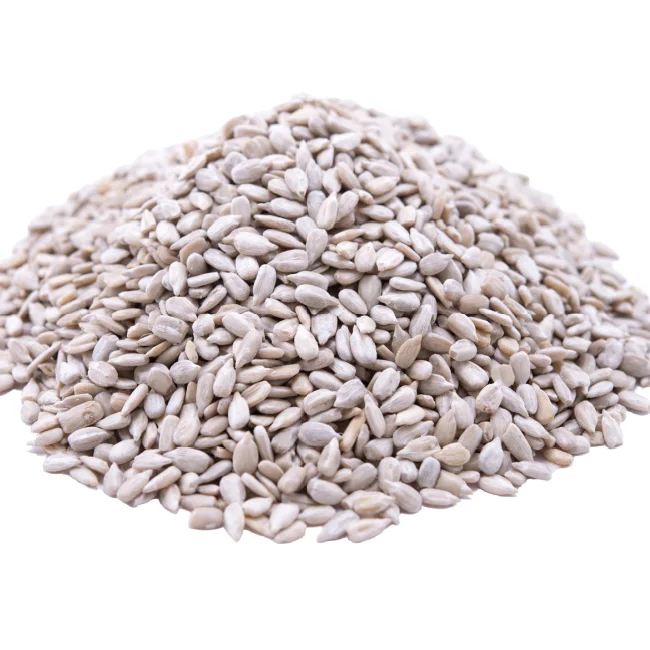
Sunflower Kernels | Raw
Price range: $12.99 through $32.99 — available on subscription
Product Description
Gerbs Raw Sunflower Kernels are hulled, ready-to-eat sunflower seeds processed exclusively in our dedicated, family-owned facility in Johnston, Rhode Island, free from all 14 major allergens including peanuts, tree nuts, gluten, soy, and dairy. Clean, mild flavor with no additives. The Gerbs Guarantee means every bag is safe, simple, and traceable from facility to table.
Allergen Declaration
These sunflower seed kernels are free from peanuts, tree nuts, wheat, gluten, milk, eggs, fish, shellfish, sesame, and soy. Sunflower seeds are seeds, not tree nuts, and are processed in a dedicated peanut-free and tree nut-free facility. A separate sunflower seed allergy is uncommon but does exist. For the most current allergen information, always check the printed lot label on your bag.
What Are Sunflower Seed Kernels?
Raw Sunflower Seed Kernels from Gerbs are hulled sunflower seeds with the shell fully removed, leaving just the grey-white inner kernel ready to eat. Grown in the United States from Helianthus annuus, these seeds are harvested, cleaned, and dehulled without roasting, salting, or adding oil of any kind. What you get in the bag is the kernel in its pure raw state: mild, buttery, and ready to use however you like.
USA Grade indicates this seed lot meets USDA standards for cleanliness, moisture, and freedom from damage and foreign material. The 2-pound resealable bag makes it practical to use a portion and seal the rest for later. These are the same kernels used as a base for homemade sunflower seed butter, baked goods, smoothies, and salads, and they work just as well eaten straight from the bag.
Sunflower seed kernels are the inner seed of the sunflower (Helianthus annuus) with the hard outer hull removed. The intact sunflower seed has a striped black-and-white shell surrounding a soft, grey-white kernel. Dehulling removes that shell entirely, leaving the kernel ready to eat without any cracking or peeling. In-shell sunflower seeds, by contrast, require cracking the hull with your teeth and spitting it out to access the kernel.
These kernels are USA grown and packed to USA Grade standards, which evaluate the lot for moisture content, cleanliness, uniformity, and freedom from damage. Raw kernels carry no added salt, oil, or flavoring. The mild flavor of the raw kernel makes them one of the most versatile seeds in the pantry, equally at home in sweet baked goods, savory grain dishes, smoothies, and seed butters.
Key Health Benefits of Sunflower Seeds
Vitamin E
Sunflower seeds are one of the richest plant-based sources of Vitamin E per serving. A 28g (1 oz) serving provides approximately 7.4mg of alpha-tocopherol, which is about 49% of the Daily Value for adults, per USDA FoodData Central SR Legacy data (#12036). The NIH identifies Vitamin E as a fat-soluble antioxidant that contributes to protecting cells from oxidative stress as part of a balanced diet. Few whole foods match sunflower seeds for Vitamin E density at that serving size.
Selenium
One ounce (28g) of sunflower seed kernels contributes approximately 22mcg of selenium, roughly 40% of the Daily Value, per USDA FoodData Central. According to the NIH, selenium is an essential trace mineral that supports thyroid hormone metabolism and normal antioxidant enzyme function as part of a balanced diet. Sunflower seeds are a consistent and practical dietary source of selenium for people eating primarily plant-based foods.
B Vitamins
Sunflower seed kernels supply a meaningful range of B vitamins per 28g serving. Per USDA FoodData Central: thiamine (B1) approximately 0.4mg (33% DV), with additional contributions of Vitamin B6, folate, and pantothenic acid (B5). B vitamins collectively support energy metabolism, red blood cell formation, and nervous system function as part of a balanced diet. The combination of multiple B vitamins in a single serving makes sunflower seeds a useful contributor to daily B vitamin intake, particularly for those limiting animal products.
Plant Protein
A 28g serving of sunflower seed kernels provides approximately 5.5 grams of protein. Sunflower seed protein contains a good range of essential amino acids, including lysine, arginine, and methionine. As part of a varied diet that includes other plant proteins, sunflower seeds contribute meaningfully to daily protein needs without the saturated fat load of many animal protein sources.
Linoleic Acid (Omega-6)
Sunflower seed kernels are one of the higher dietary sources of linoleic acid, an essential omega-6 fatty acid the body cannot synthesize on its own. A 28g serving provides approximately 6.2g of linoleic acid, per USDA FoodData Central SR Legacy #12036. Linoleic acid is classified as essential because it must come from food. As part of a balanced diet with adequate omega-3 intake, omega-6 fatty acids like linoleic acid contribute to normal cell membrane function.
Nutrition Facts
Per 28g (approximately 1 oz) serving of raw hulled sunflower seed kernels:
- Calories: 165
- Total Fat: 14g (Saturated Fat: 1.5g; Polyunsaturated Fat: 6.2g linoleic/omega-6; Monounsaturated Fat: 2.7g)
- Total Carbohydrates: 6.8g
- Dietary Fiber: 2.4g
- Total Sugars: 0.9g
- Protein: 5.5g
- Vitamin E: 7.4mg (49% DV)
- Selenium: 22mcg (40% DV)
- Thiamine (B1): 0.4mg (33% DV)
Source: USDA FoodData Central SR Legacy #12036.
Flavor and Texture Profile
Raw sunflower seed kernels have a mild, buttery flavor with a faint natural sweetness and no bitterness when fresh. The texture is soft with a slight crunch, less firm than a raw almond or cashew. The flavor is neutral enough that these seeds absorb and complement surrounding flavors easily, whether that is sweetness from fruit and honey in a smoothie or savory seasoning in a grain bowl. Roasting shifts the flavor toward nuttier, richer, and more toasted, with a firmer crunch. Raw kernels are the better choice when you want a seed that blends into a dish rather than standing out.
Ingredients
Raw Sunflower Seed Kernels.
How to Use
Snacking and Trail Mix
Raw kernels are an easy snacking seed eaten by the handful or portioned from the resealable bag. Combine with dried fruit, oats, pumpkin seeds, and a small amount of dark chocolate for a quick trail mix with a broad nutritional profile. Kernels are light enough to use in larger volume than heavier nuts without dominating the mix.
Baking
Sunflower seed kernels fold into muffin, quick bread, and cookie batters without any prep. They hold their shape through oven heat and add texture and mild flavor. Common applications include sunflower seed bread, energy bars, granola clusters, and seeded crackers. Press them into the top of loaves or rolls before baking for a visual finish that also adds crunch after toasting.
Smoothies
A tablespoon or two of raw sunflower kernels blends smoothly into high-speed blenders, adding fat, protein, and Vitamin E to a smoothie without a strong flavor. They work particularly well in banana or date-based smoothies where their mild buttery note complements the natural sweetness. No soaking is required, though a brief soak softens them for easier blending in lower-power blenders.
Sunflower Butter
Raw sunflower kernels are the base ingredient for sunflower seed butter. Place kernels in a food processor and process for 5 to 10 minutes, stopping to scrape the sides as needed. The seeds will pass through a crumbly stage before releasing their natural oil and smoothing out. Add a small amount of neutral oil if needed to reach your preferred consistency. Salt and a touch of honey are optional additions. Raw-kernel sunflower butter has a lighter flavor than roasted-kernel versions.
Salads and Grain Bowls
Sunflower kernels scatter easily over salads and grain bowls, adding a mild crunch and nutritional density without overpowering greens or dressings. They work raw or lightly toasted in a dry pan. Pair with kale, roasted squash, quinoa, and a lemon tahini dressing for a bowl with layered textures. Unlike croutons, raw kernels add crunch without carbohydrates and hold up without going soggy quickly.
Roasting at Home
Spread kernels in a single layer on a dry baking sheet. Roast at 300 to 325 degrees F for 10 to 15 minutes, stirring once at the halfway point. Watch closely after the 10-minute mark; kernels are small and brown quickly. Remove from the oven when they are lightly golden. Cool fully before storing. Season with sea salt immediately after removing from the oven while the surface is still warm and oil is present to help salt adhere.
Storage Recommendations
Store in a cool, dry pantry in an airtight container away from direct light. Sealed, these kernels will hold quality for up to 1 year. Because sunflower seed kernels are high in polyunsaturated fat (linoleic acid), they are more susceptible to rancidity from oxidation than lower-fat seeds. After opening, transferring to an airtight jar and refrigerating extends freshness to 3 to 6 months. The resealable bag helps reduce air exposure between uses, but a separate airtight container in the refrigerator is the better choice for the long term.
FAQ
Are sunflower seeds safe for nut allergies?
Sunflower seeds are seeds, not tree nuts, and are botanically unrelated to peanuts and tree nuts. These kernels are processed in a dedicated peanut-free and tree nut-free facility with no shared equipment for those allergens. Note that a separate sunflower seed allergy does exist, though it is uncommon. If you have a known sunflower seed sensitivity or a broad seed allergy, consult your allergist before eating these. Always check the printed lot label for the most current allergen information.
What is the difference between kernels and in-shell sunflower seeds?
In-shell sunflower seeds are the whole seed with the hard striped outer hull intact. You crack the hull with your teeth and remove it to get to the kernel inside. Sunflower seed kernels have had the hull fully removed before packing. Kernels are ready to eat immediately without any cracking or spitting out shells. Kernels are the better choice for cooking, baking, and blending. In-shell seeds are more common as a snack where the cracking process is part of the experience.
Can I make sunflower seed butter from raw kernels?
Yes. Add raw kernels to a food processor and process continuously for 5 to 10 minutes. The seeds will go through a coarse crumb stage, then a paste stage, before the natural oils release and the butter smooths out. Scrape the sides every 2 to 3 minutes. If the mixture is too thick after 10 minutes, add a teaspoon of neutral oil at a time until the texture loosens. Salt and a small amount of sweetener are optional. Raw sunflower butter has a lighter, milder flavor than butters made from roasted seeds.
Do sunflower seeds need refrigeration?
Refrigeration is recommended after opening, particularly for raw kernels. The high linoleic acid (polyunsaturated fat) content in sunflower seeds means they oxidize faster than seeds with lower unsaturated fat levels. Oxidized fat produces the bitter, slightly acrid aftertaste sometimes described in sunflower seeds that have been stored too long at room temperature. An opened bag kept in an airtight container in the refrigerator will hold quality for approximately 3 to 6 months. A sealed, unopened bag stored in a cool, dry pantry will keep for up to 1 year.
Are these sunflower seeds roasted or raw?
These are raw. No heat has been applied, and no salt or oil has been added. The kernels are dehulled and packed as is. If you prefer a roasted flavor, you can roast them at home at 300 to 325 degrees F for 10 to 15 minutes. Raw kernels give you flexibility: use them raw in smoothies and baked goods, or roast a portion to preference for snacking and salads.
Why do some sunflower seeds have a bitter aftertaste?
Bitterness in sunflower seeds is almost always caused by oxidized fat. When polyunsaturated fats like linoleic acid are exposed to air, light, or heat over time, they break down into compounds with a bitter or rancid flavor. Fresh, properly stored sunflower kernels should be mild and buttery with no bitterness. Signs of oxidation include a yellowish color in kernels that should be grey-white, a stale or paint-like smell, or a sharp bitter finish. If your kernels taste bitter, the fat has likely oxidized and the seeds should not be consumed. Store opened bags in an airtight container in the refrigerator to prevent this.
Frequently Bought Together
Related products
-
Black Chia Seeds | Raw
Price range: $13.99 through $34.18 — available on subscription -
Ground Chia Seed Meal | Raw
Price range: $22.99 through $43.68 — available on subscription -
In-Shell Pumpkin Seeds | Raw
Price range: $14.99 through $42.99 — available on subscription -
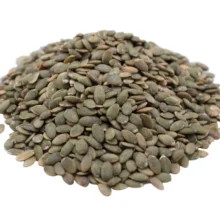
Pumpkin Kernels | Extra Sea Salted Pepitas
Price range: $22.99 through $43.68 — available on subscription
Customer Reviews
7 reviews for Sunflower Kernels | Raw
You must be logged in to post a review.
Shop by Category
Find Your Safe Favorites
Seeds
Dried Fruit
Snack & Trail Mixes
Granola
Grains
Jennifer Dilworth (verified owner) –
Quick delivery and great tasting product..No plastic aftertaste like some brands
Susan Amway (verified owner) –
Excellent product!
I have 8 allergies and this is only company I could find that has the seeds I need!
Delivery was swift and seeds unharmed!
Thank you!
etreguboff (verified owner) –
I have severe peanut/nut allergies and purchased these seeds to make some homemade granola for my family and myself. The granola turned out great, and I look forward to incorporating more Gerbs products in my recipes!
Robin M. (verified owner) –
I have been a customer for 4years and I am so thankful for GERBS. I can safely make brittle for my child with a peanut allergy. Their raw sunflower seeds are the best!
Julie D’Herde (verified owner) –
Love this company! My daughter has severe peanut/tree nut allergies, and it is nearly impossible to find safe seeds in a store. Sunflower seeds were fresh and very tasty!
yuenjp67 (verified owner) –
Wonderful taste and quality. I mix them with nuts, blueberries, and bananas for breakfast. I always soak raw seeds in warm salt water for a day, then rinse and dehydrate to get rid of natural toxins. I have never had any problems with Gerb’s seeds, even though I have some severe allergies.
A. Andry (verified owner) –
I order from here becayse my daughter is allergic to peanuts and tree nuts along with other foods. I trust gèrbs to provide nut free products to make her snacks with. I gave 4 stars because the prices have gone up quite a bit in the last few months.
Sennen Conte –
Thank you so much for putting your trust in us, believe us when hold that dear to our heart!
Some products did have increases others decreases, but we also offer free shipping on all orders over $59.99 – which has been widely accepted (and requested)
Sennen G. Conte