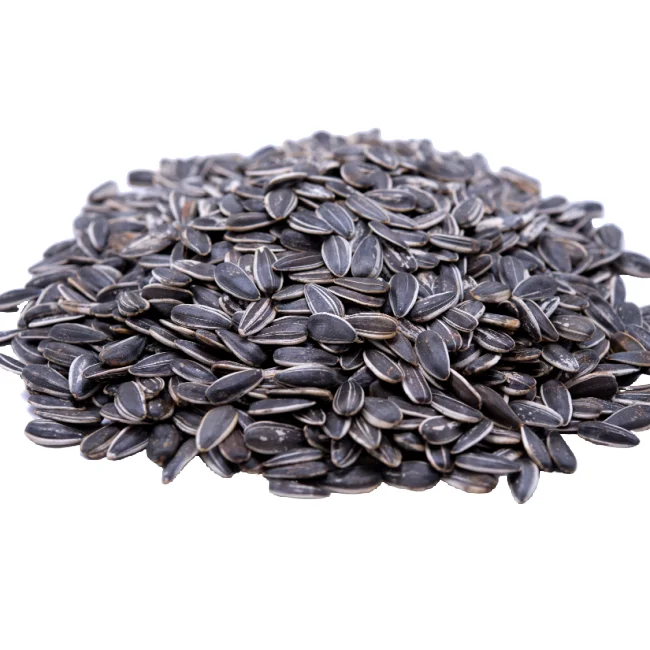
In-Shell Sunflower Seeds | Roasted & Unsalted
Price range: $12.99 through $36.08 — available on subscription
Product Description
Gerbs Roasted & Unsalted In-Shell Sunflower Seeds are whole sunflower seeds dry-roasted without oil or salt, the classic crack-and-eat snack with a deeper, nuttier flavor and zero added sodium. Processed in our dedicated, allergen-free facility in Johnston, Rhode Island. Free from all 14 major allergens. One ingredient. The Gerbs Guarantee covers every bag.
Allergen Declaration
Free From: Gluten, Wheat, Legume Family (Peanuts, Soybeans, Lentils, Chickpeas, Lupin, Kidney Beans, Black Beans, Pinto Beans, Navy Beans, String Beans, Fava Beans, Green Peas, Split Peas, Black-Eyed Peas, Mung Beans, Adzuki Beans, Tamarind), Tree Nuts (Almonds, Cashews, Hazelnuts, Macadamia Nuts, Pecans, Pistachios, Walnuts, Brazil Nuts, Pine Nuts, Coconut), Shellfish (Crustaceans & Mollusks), Fish, Sesame, Milk/Dairy, Eggs, Mustard, Sulfur Dioxide, Potassium Sorbate.
All raw ingredients are processed, packaged, handled, stored, and shipped by trained staff in our family owned & operated facility in Johnston, Rhode Island on dedicated non-GMO, Vegan, and Kosher equipment. No co-packers. No co-manufacturers. For anyone with a mild to severe food allergy or a family with one, we wish to assure you that this is why Gerbs handles all aspects of production & operation. If you have any questions about your allergy and our products, please contact us at [email protected] or (401) 231-5181 before ordering.
What Are In-Shell Sunflower Seeds?
When you’re shopping for roasted in-shell sunflower seeds with food allergies in mind, the challenge is finding a product that delivers the full roasted flavor without oil coatings, without sodium, and without cross-contamination risk from shared equipment. Gerbs roasted in-shell sunflower seeds are dry-roasted with no oil and no added salt, processed in our family-owned dedicated facility in Johnston, Rhode Island, no co-packers, no co-manufacturers, 14-allergen-free from facility to bag.
In-shell sunflower seeds are whole seeds with the striped hull intact, the kernel is inside, accessed by cracking the shell with your back teeth. The roasted variety takes that crack-and-eat ritual and adds the depth that comes from dry roasting: a warmer, nuttier flavor that makes each crack more rewarding. At zero added sodium and one ingredient, sunflower seeds, this is a clean snack with nothing hidden.
The Gerbs Guarantee covers gluten, wheat, peanuts, all tree nuts, soy, dairy, eggs, shellfish, fish, sesame, mustard, sulfur dioxide, potassium sorbate, and the full legume family. Every bag is produced and packaged on dedicated non-GMO, Vegan, and Kosher equipment by trained staff in Johnston, Rhode Island.
In-shell sunflower seeds are whole sunflower seeds with the striped hull still intact. The hull, the outer fibrous covering, surrounds the kernel inside and must be cracked open before eating. This is the classic, traditional form of sunflower seeds that most people associate with baseball dugouts, road trips, and outdoor snacking. The shell-cracking process is deliberate by design: it slows down consumption and adds a satisfying, tactile ritual to snacking. The hull also acts as a natural barrier that helps protect the kernel from oxidation, giving in-shell seeds a slightly longer shelf life at room temperature than shelled kernels.
Key Health Benefits of Sunflower Seeds
Vitamin E: A Potent Antioxidant
A single 1-ounce serving of sunflower kernels delivers 7.4mg of vitamin E, 37% of the Daily Value. Vitamin E is a fat-soluble antioxidant that helps protect cells from oxidative damage and may support immune function, according to the Mayo Clinic. It is one of the highest vitamin E concentrations of any common snack food.
Selenium for Thyroid and Immune Function
Sunflower kernels provide 22.5mcg of selenium per 1-ounce serving, 41% of the Daily Value. According to the NIH Office of Dietary Supplements, selenium is essential for thyroid hormone metabolism, DNA synthesis, and protection from oxidative damage and infection. It is a micronutrient that many diets fall short on.
Magnesium for Muscle and Heart Function
One ounce of sunflower kernels contains 91mg of magnesium, 22% of the Daily Value. The NIH Office of Dietary Supplements notes that magnesium is a cofactor in more than 300 enzyme systems that regulate muscle and nerve function, blood glucose, and blood pressure.
Plant-Based Protein Without the Common Allergens
Sunflower kernels contribute 5.8 grams of protein per ounce, without peanuts, tree nuts, soy, or gluten. For individuals managing multiple food allergies, this makes them a practical protein source in snacks, baked goods, and grain bowls where nut-based proteins are off the table.
Healthy Polyunsaturated Fats
Each 1-ounce serving of sunflower kernels contains 9.7g of polyunsaturated fat, primarily linoleic acid (omega-6). The Mayo Clinic identifies unsaturated fats as a beneficial part of a balanced diet when used in place of saturated fats.
As with all foods, individual results may vary. Gerbs makes no medical claims.
Nutrition Facts
Serving Size: 1 oz (28g) in-shell | Note: Approximately 1 oz in-shell yields roughly 0.5 oz (14g) of kernel after cracking. | Source: USDA FoodData Central
- Calories: ~82
- Total Fat: 7.2g
- Saturated Fat: 0.8g
- Polyunsaturated Fat: 4.9g
- Monounsaturated Fat: 1.3g
- Cholesterol: 0mg
- Sodium: <1mg
- Total Carbohydrates: 3.4g
- Dietary Fiber: 1.5g
- Total Sugars: 0.4g
- Protein: 2.9g
Key Micronutrients (per serving):
- Vitamin E: 3.7mg (18% DV)
- Selenium: 11.3mcg (21% DV)
- Magnesium: 45mg (11% DV)
Values reflect the edible kernel portion. Percent Daily Values are based on a 2,000 calorie diet. Source: USDA FoodData Central.
Flavor & Texture Profile
Roasted in-shell sunflower seeds deliver a noticeably warmer, nuttier flavor than raw. The dry-roasting process, no oil, brings out depth in both the hull and the kernel inside. The hull cracks with a satisfying firmness, and the kernel inside has the fuller, toasted flavor characteristic of dry-roasted seeds. No salt, no additives: a clean roasted snack experience.
Ingredients
Sunflower Seeds.
How to Use In-Shell Sunflower Seeds
1. Classic Crack-and-Eat Method
Do not eat the shell. Place a single in-shell seed between your molars, back teeth, and apply gentle, controlled pressure to split the hull lengthwise. Use your tongue to maneuver the kernel out, then discard the shell. With practice this becomes a fluid, almost automatic motion. Keep a small cup nearby for shells if you are indoors. This is the traditional way to eat in-shell sunflower seeds, slow, satisfying, and deliberately paced.
2. Outdoor and On-the-Go Snacking
In-shell sunflower seeds are built for situations where you want a long-duration snack: road trips, sporting events, hiking, baseball games, fishing, or any extended outdoor activity. The cracking process naturally limits consumption speed, making a single bag last far longer than an equivalent weight of pre-shelled snacks. The hull also serves as a natural barrier, making in-shell seeds more durable and travel-friendly than shelled kernels, which can crush easily.
3. Choosing the Right Variety
Raw in-shell seeds offer the most neutral flavor profile, clean, mildly nutty, no added ingredients. Roasted unsalted seeds add dry-roasted depth without sodium. Lightly sea salted provides subtle seasoning that enhances the natural flavor. Sea salted delivers the bold, classic sunflower seed snacking experience most people recognize. All varieties are processed in the same dedicated allergen-free facility in Johnston, Rhode Island, the difference is only in preparation and seasoning.
Storage Recommendations
Store in a cool, dry place away from direct sunlight and heat sources. Once opened, transfer to an airtight container and refrigerate. Sunflower kernels have a naturally high oil content, proper sealing is important to prevent oxidation, which can cause rancidity and off-flavors. For longer-term storage, both kernels and in-shell seeds can be frozen in an airtight bag or container for up to 12 months without significant loss of flavor or nutrition. Allow frozen seeds to come to room temperature before serving.
FAQ
Are Gerbs in-shell sunflower seeds safe for people with nut allergies?
Yes. All Gerbs in-shell sunflower seeds are processed exclusively in our family-owned dedicated facility in Johnston, Rhode Island. We do not use co-packers or shared equipment, and no peanuts, tree nuts, or any other allergen in our 14-allergen-free guarantee is handled on the same lines. Contact us at [email protected] or (401) 231-5181 with any allergy-specific questions before ordering.
Do I eat the shell?
No. The shell, the fibrous outer hull, is not intended to be eaten. It is tough, indigestible, and not palatable. The correct method is to crack the hull with your back teeth (molars), extract the kernel inside with your tongue, and discard the shell. Some experienced sunflower seed eaters can do this in one fluid motion; beginners typically need a few tries to develop the technique.
How do I crack in-shell sunflower seeds?
Place a single seed between your molars, not your front teeth, with the seed oriented lengthwise. Apply gentle, controlled pressure until the hull splits along its seam. Use your tongue to push the kernel out from the cracked hull. Discard the shell. Keep the hull moist (a small amount of saliva helps) to prevent the shell from splintering. With practice this becomes a fast, rhythmic process.
What is the difference between standard and jumbo in-shell sunflower seeds?
Jumbo in-shell sunflower seeds are sorted to a larger size grade than standard in-shell seeds. The hull is noticeably bigger, and the kernel inside is fuller and more substantial. The flavor profile, allergen status, and production facility are identical, the difference is purely in the size of the seed. Jumbo seeds are preferred by those who want a more generous per-crack yield.
Are Gerbs in-shell sunflower seeds processed in a gluten-free facility?
Yes. Our Johnston, Rhode Island production facility is dedicated and free from gluten, wheat, and all 14 allergen categories under the Gerbs Guarantee. No shared lines, no co-packers, no co-manufacturers.
How should I store in-shell sunflower seeds?
Store in a cool, dry place away from heat and direct sunlight. The hull provides natural protection for the kernel inside, giving in-shell seeds a slightly longer shelf life at room temperature compared to shelled kernels. After opening, seal tightly and keep in a cool pantry or refrigerator. For extended storage, freeze in an airtight container for up to 12 months.
More Gerbs Sunflower Seeds
Frequently Bought Together
Related products
-
Whole Hemp Seeds | Roasted & Unsalted
Price range: $19.99 through $37.98 — available on subscription -
In-Shell Pumpkin Seeds | Raw
Price range: $14.99 through $42.99 — available on subscription -
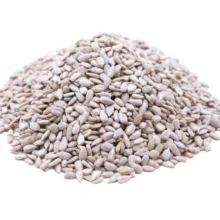
Sunflower Kernels | Raw
Price range: $12.99 through $32.99 — available on subscription -
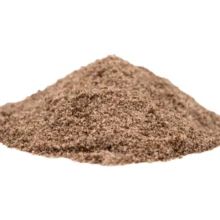
Ground Chia Seed Meal | Raw
Price range: $22.99 through $43.68 — available on subscription
Customer Reviews
You must be logged in to post a review.
Shop by Category
Find Your Safe Favorites
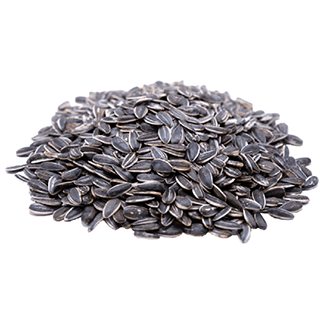
Seeds
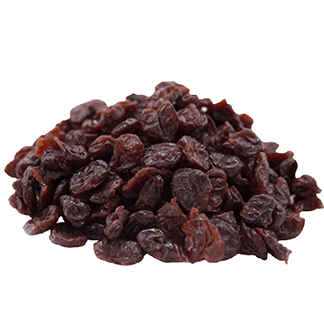
Dried Fruit
Snack & Trail Mixes
Granola
Grains
4 reviews for In-Shell Sunflower Seeds | Roasted & Unsalted