

| Servings per container | 32 |
|---|---|
| Serving size | 1 oz. (28g) |
| Calories | 100 |
| Nutrient | % Daily Value* |
| Total Fat 1g | 1% |
| Saturated Fat 0g | 0% |
| Trans Fat 0g | |
| Cholesterol 0mg | 0% |
| Sodium 135mg | 6% |
| Total Carbohydrate 19g | 7% |
| Dietary Fiber 2g | 7% |
| Total Sugars 14g | |
| Includes 0g Added Sugars | 0% |
| Protein 3g | 6% |
| Vitamin D 0mcg | 0% |
| Calcium 19mg | 2% |
| Iron 0.9mg | 5% |
| Potassium 462mg | 10% |
* The % Daily Value (DV) tells you how much a nutrient in a serving of food contributes to a daily diet. 2,000 calories a day is used for general nutrition advice.
Ingredients: Dried Goji Berry. Unsulfured. For best results refrigerate after opening.
Price range: $30.99 through $58.88 — or subscribe to save 5%
Dried Goji Berries | Unsweetened
Pause or cancel anytime.
Free from the Top 14 allergens. Made on dedicated equipment. Allergen statement
Product Description
Gerbs Unsweetened Dried Goji Berries are vivid and mildly sweet, produced in our dedicated 14-allergen-free facility in Johnston, Rhode Island. Free from all 14 major allergens. A standout ingredient for smoothie bowls, trail mixes, and oatmeal.
Ingredients
Dried Goji Berries.
Allergen Declaration
Free From: peanuts, tree nuts, milk, eggs, gluten/wheat, soybeans, fish, crustaceans, mollusks, sesame, mustard, celery, lupin, and sulfur dioxide/sulfites.
All raw ingredients are processed, packaged, handled, stored, and shipped by trained staff in our family owned & operated facility in Johnston, Rhode Island on dedicated kosher-certified equipment. If you have any questions about your allergy and our products, please contact us at [email protected] or (401) 231-5181 before ordering.
Flavor & Texture Profile
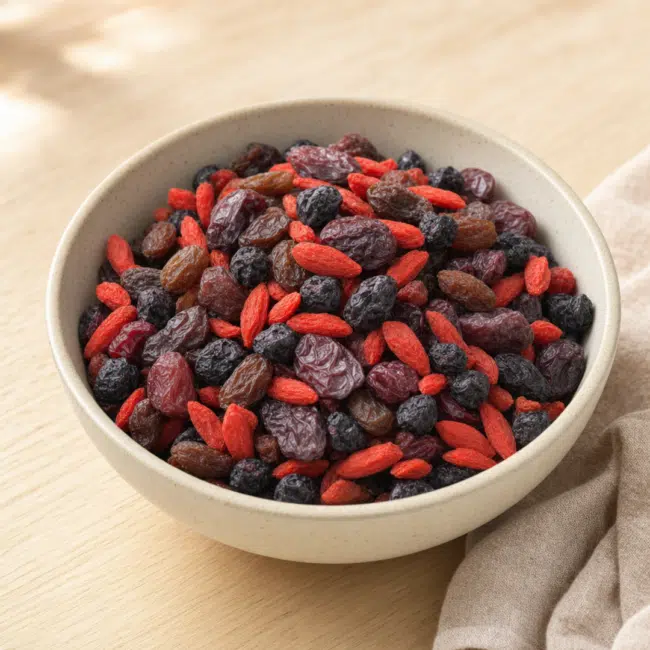
Dried goji berries have a distinctive flavor unlike most other dried fruits, mildly sweet with a slight tartness and a faint herbal, almost medicinal earthiness. They are considerably less sweet than most commercially dried fruits, making them subtle rather than candied. The texture is soft and slightly chewy, similar to a soft raisin but less sticky. Their vivid red-orange color makes them visually striking in smoothie bowls, granola, and trail mixes. No sweeteners are added.
Storage Recommendations
Store Gerbs Dried Goji Berries in a cool, dry place in an airtight container. After opening, refrigeration is recommended, the zeaxanthin and other carotenoid pigments responsible for goji berries’ vivid red-orange color are better preserved at cool temperatures and away from direct light. Unopened, they keep for up to 12 months. After opening, refrigerated goji berries will maintain their color and nutritional quality for 4-6 months. Room temperature storage after opening is acceptable in cool, dry climates for up to 2-3 months.
What Are Dried Goji Berries?
When you’re shopping for dried goji berries with food allergies in mind, the processing environment is as important as the berry itself. Gerbs Unsweetened Dried Goji Berries are made in our family-owned, dedicated allergen-free facility in Johnston, Rhode Island. Our facility has never handled gluten, peanuts, tree nuts, crustaceans, mollusks, milk, eggs, sesame, or any of the 14 major allergens. No shared lines. Every bag is packed by our own trained staff on dedicated kosher-certified equipment.
Goji berries (Lycium barbarum and Lycium chinense) are small, bright red-orange berries native to China and Tibet that have been used in traditional Chinese medicine for centuries. Also called wolfberries, they have a mild sweetness with a slight tartness and an earthy, faintly herbal quality that distinguishes them from other dried fruits. No sweeteners are added, goji berries have enough natural sweetness on their own that they need no enhancement. Their distinctive red-orange color comes from zeaxanthin and beta-carotene, carotenoid compounds that have drawn significant scientific interest for eye health.
Goji berries have become a staple of smoothie bowls, trail mixes, and functional foods globally. Gerbs offers them in their purest form: just the fruit, dried, with nothing added and nothing to worry about allergen-wise.
Goji berries (Lycium barbarum and Lycium chinense) are small, oblong, bright red-orange berries native to China, Tibet, and neighboring regions of East Asia. Also called wolfberries, they have been used in traditional Chinese medicine (TCM) for over 2,000 years and remain a significant ingredient in Chinese herbal formulations. Botanically, goji berries belong to the Solanaceae family, the same family as tomatoes, peppers, and eggplant. Their distinctive color comes from zeaxanthin and beta-carotene, carotenoid compounds that have attracted considerable scientific attention for their potential role in eye health. Goji berries have a mild, slightly tart sweetness with a faint herbal or earthy quality. They contain no added sweeteners, the natural berry provides sufficient sweetness on its own.
What Is in Dried Goji Berries
Zeaxanthin for Eye Health
USDA FoodData Central and published research identify dried goji berries as containing approximately 160-200 µg of zeaxanthin per gram, an exceptionally high concentration. As with all foods, individual results may vary. Gerbs makes no medical claims.
Vitamin C
Published analyses report approximately 29 mg of vitamin C per 100g of dried goji berry. It also enhances non-heme iron absorption, making goji berries a useful pairing with other plant-based iron sources.
Iron
Goji berries are among the better plant-based sources of iron for a fruit. Pairing with vitamin C sources (including the berry’s own vitamin C) enhances absorption. See the Nutrition Facts panel for the amount per serving.
Polysaccharides
Human research is ongoing.
Beta-Carotene
The orange-red color of goji berries reflects their beta-carotene content, approximately 7 mg per 100g dried, according to published analyses. As with all foods, individual results may vary. Gerbs makes no medical claims.
How to Use Dried Goji Berries
Smoothie Bowls
Goji berries are most prominently associated with smoothie bowl preparations, where their vivid red-orange color provides striking visual contrast against purple acai or green smoothie bases. Scatter whole goji berries on top of any smoothie bowl, they provide color, a mild sweetness, and a chew that contrasts with the smooth base. Add just before serving to preserve their texture.
Trail Mix
Goji berries add color and a distinctive mild-sweet flavor to trail mixes. Combine with banana chips, sunflower seeds, and dried cranberries for a complete, allergen-free mix.
Oatmeal
Stir goji berries into hot oatmeal before serving, they soften slightly in the heat but retain their shape and color. They add a gentle, earthy sweetness to oatmeal without the intensity of more strongly flavored dried fruits. Their zeaxanthin content makes this one of the more nutritionally intentional oatmeal additions available.
Baking
Fold goji berries into muffins, granola bars, and cookies. Their flavor is subtle enough not to dominate a baked good. They maintain their color reasonably well through moderate baking temperatures.
Tea Infusions
Goji berries are traditionally used in Chinese herbal teas, steep a small handful of dried goji berries in hot water for 5-10 minutes for a lightly sweet, earthy infusion that captures many of the berry’s water-soluble nutrients. The berries themselves become tender and can be eaten after steeping.
WARNING: California Proposition 65
WARNING: Consuming this product can expose you to chemicals including lead and cadmium, which are known to the State of California to cause cancer and birth defects or other reproductive harm. For more information go to www.P65Warnings.ca.gov/food.
FAQ
Are Gerbs Dried Goji Berries safe for people with food allergies?
Gerbs Dried Goji Berries are free from the top 14 allergens. If you have a severe allergy, call us at (401) 231-5181 or email [email protected] before ordering.
Are goji berries in the nightshade family?
Yes. Goji berries (Lycium barbarum) belong to the Solanaceae family, the same botanical family as tomatoes, peppers, potatoes, and eggplant. Individuals with nightshade sensitivity should be aware of this relationship. If you have a known nightshade sensitivity, please contact us at [email protected] before ordering to discuss.
Do Gerbs Dried Goji Berries contain added sugar?
No. The only ingredient is dried goji berries. The natural berry provides its own mild sweetness without any added sweeteners. Goji berries are naturally lower in sugar than most other dried fruits, which contributes to their subtler flavor profile.
Should I refrigerate goji berries after opening?
Yes, we recommend refrigeration after opening to preserve the zeaxanthin and other carotenoid pigments responsible for the berry’s vivid color. Cool temperatures and reduced light exposure help maintain both color and nutritional integrity. Refrigerated goji berries in an airtight container stay fresh for 4-6 months after opening.
Can I cook with goji berries?
Yes. Goji berries are used in Chinese soups and herbal preparations, often simmered directly in broth. They soften significantly in liquid and release their mild-sweet flavor into the dish. They can also be steeped in hot water as a tea, baked into granola at moderate temperatures, and used as a topping on dishes where no cooking is applied. Heat does reduce some of the heat-sensitive nutrients but does not destroy the berries’ general nutritional contribution.
Customer Reviews
2 reviews for Dried Goji Berries | Unsweetened
You must be logged in to post a review.
Shop by Category
Find Your Safe Favorites
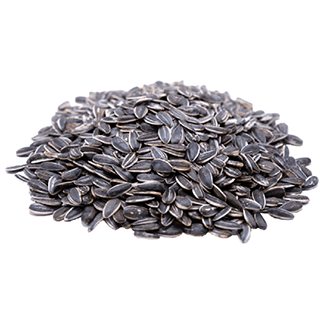
Seeds
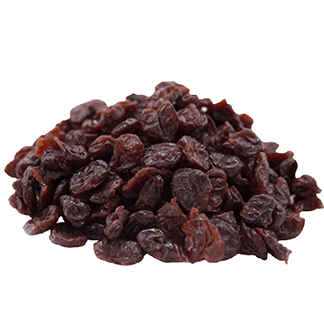
Dried Fruit
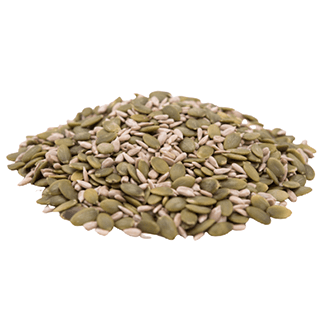
Snack & Trail Mixes
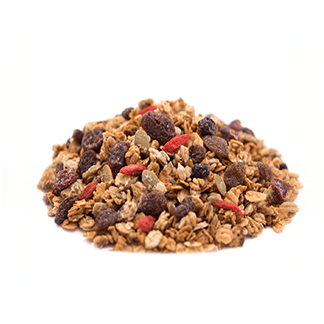
Granola
Grains
Lynelle Miyata – Verified Buyer
I have purchased goji berries before from herbal stores and have actually tossed them in the trash because they are so dehydrated and really hard. Not to mention that most come from China, so I’m not really sure about additives. The goji berries here are the best in the market. They are soft and chewy and can be eaten straight from the bag. I am happy with my order and will be back again. Price might seem on the higher side, but for a few $$ it is well worth it.
[email protected] – Verified Buyer
Great product! Berries are soft on the inside, dry on the outside and not sticky or clumpy compared to other brands I have tried. Great to blend into your own mixes with seeds or granola.